The Beginning: 3.0–3.5
July 2023 – September 2023
Paddles: Prokennex Kinetic Ovation Speed, ONIX Z5, Prince Spectrum
The first paddle I ever held was a black and pink Prokennex Kinetic Ovation Speed. My dear friend and former coworker, Moira, who finally convinced me to give pickleball a try let me borrow it for my first time on the court. I couldn’t tell you how it felt. I was too busy trying to figure out where to stand, where to hit, how the score works and why everyone around me seemed so much better.
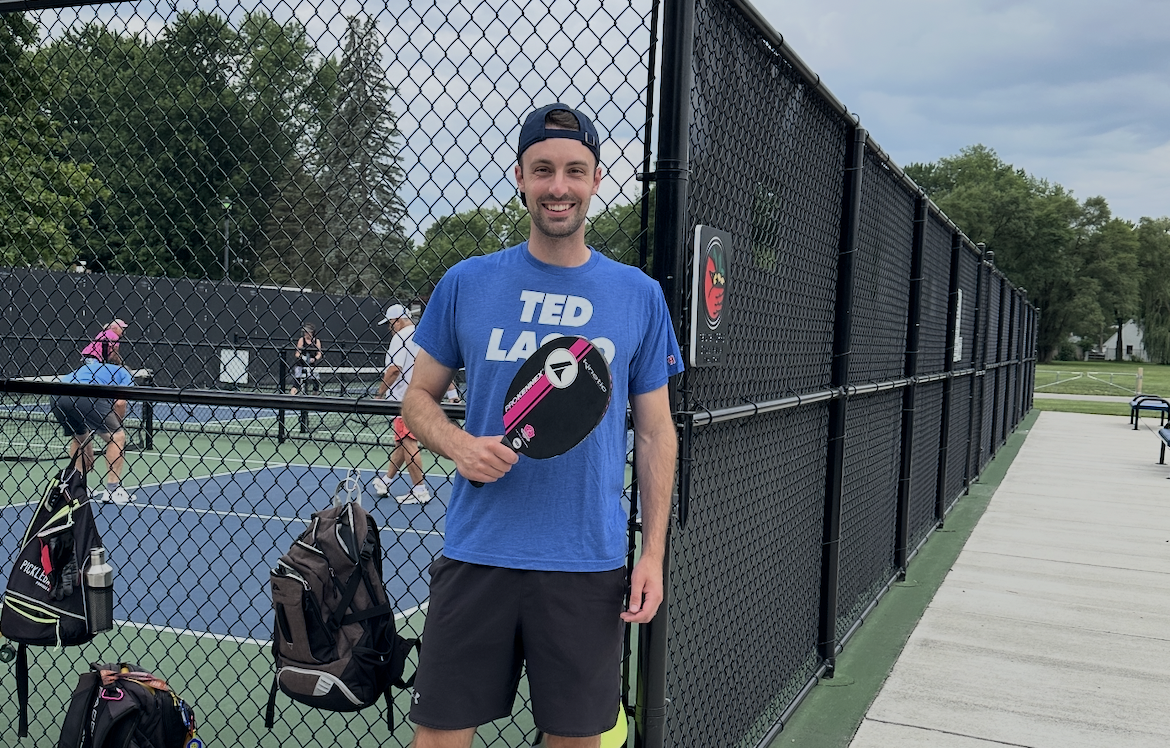
Prokennex Kinetic Ovation Speed
What I do remember is that by the time I left, I was completely hooked.
An evening of basic Google searches and Dick’s Sporting Goods reviews later pointed me towards my first paddle purchase.
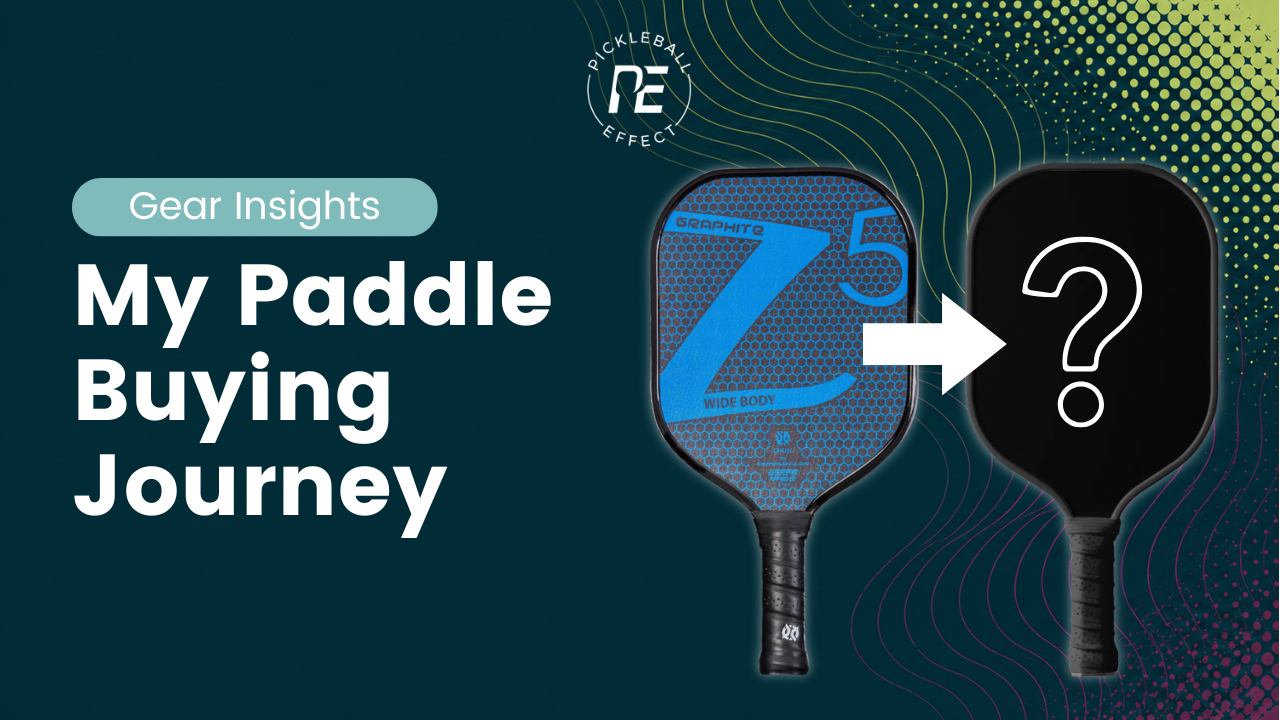
The ONIX Z5, of course!
I had played pickleball exactly one time. The Z5 was far from the perfect paddle, but it got me back on the court, and at that point that’s all I was looking for.

Prince Spectrum
Within 2-3 weeks, someone at the park offered me a used Prince Spectrum for $50. I’d never heard of it, but I picked it up, hit with it for a few games, and immediately felt a difference from the Z5. Bought it on the spot as it felt like an improvement.
I couldn’t have explained why it felt better. I didn’t know anything about sweet spots, stability, or paddle construction. I just knew one felt better than the other. That’s not exactly a sophisticated evaluation process, but it was enough to make me start paying attention.
Getting Serious: 3.5–4.5
September 2023 – Spring 2026
Paddles: B&B Filth Elongated, B&B Shogun, Proton Series 3, Joola Perseus Pro IV, RPM V1 14mm & 16mm, RPM V2 14mm
By the time I started actually researching reviewers, I was a more “serious” 3.5 player. I’d spent a lot more time on the court, and I wanted equipment that matched where I thought my game was headed. That’s when I found Bread & Butter and picked up the Filth Elongated.
At the time it was one of the most talked-about paddles in the 3.5–4.5 range. The price was right, the design stuck out to me, and the reviews were strong. More importantly, it played really well for me. I went through three of them over 12-16 months, which is still the longest I’ve ever stayed with a single paddle.
The Filth really was the point where I stopped randomly buying paddles and started trying to understand the differences, the numbers, and what really fit my game. And fortunately, with the Filth in hand, I was able to grab a silver medal in my first ever 4.0 tournament, and a gold in one of my first 4.5 tourneys.
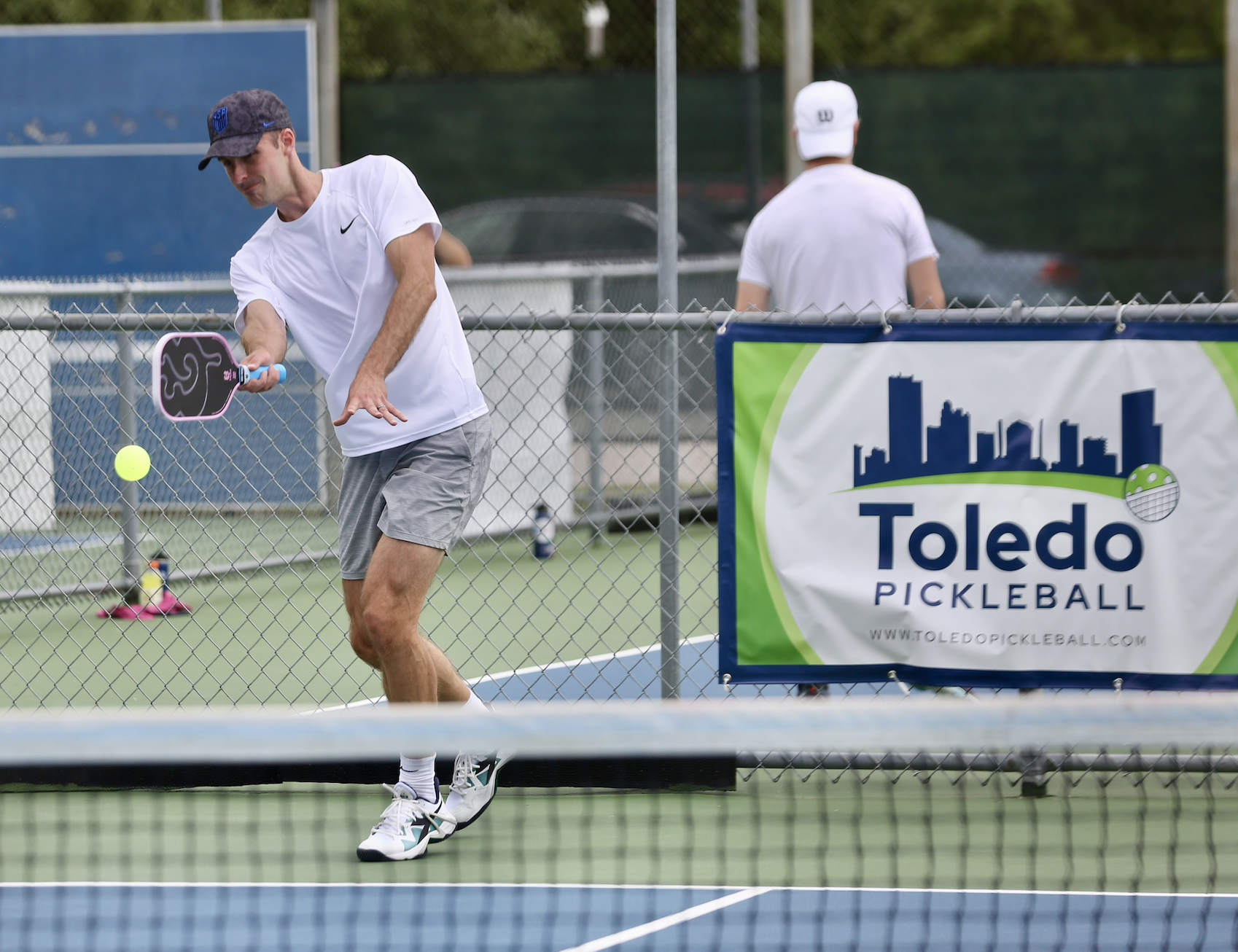
Bread & Butter Filth

4.0 Silver with the Filth
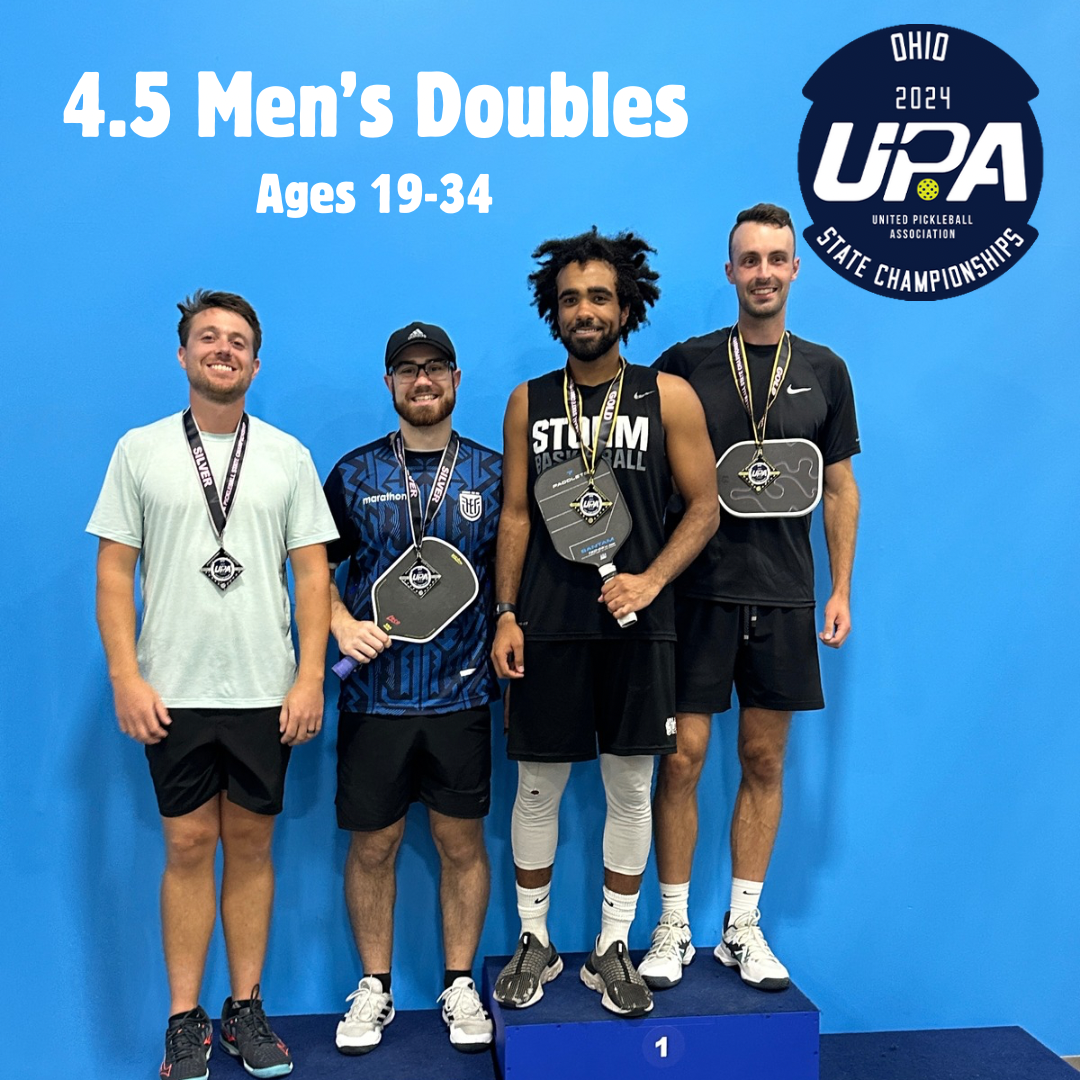
4.5 Gold with the Filth
The Bread & Butter Shogun came next, which felt like a natural progression as I already trusted the brand. The Titanium surface stood out as pickleball’s first, which went to show that my interest in paddle details really had grown as new materials and builds were catching my eye.
Then Proton caught my eye and started making a big marketing splash. There was momentum around it and the pro presence was growing. The Series 3 looked like a logical next step for someone competing in the 4.0–4.5 range.
The Proton wasn’t a bad decision by any means, but in hindsight, my decision was almost strictly due to marketing and a lot less on reviews, stats, and a feel I actually felt comfortable with.
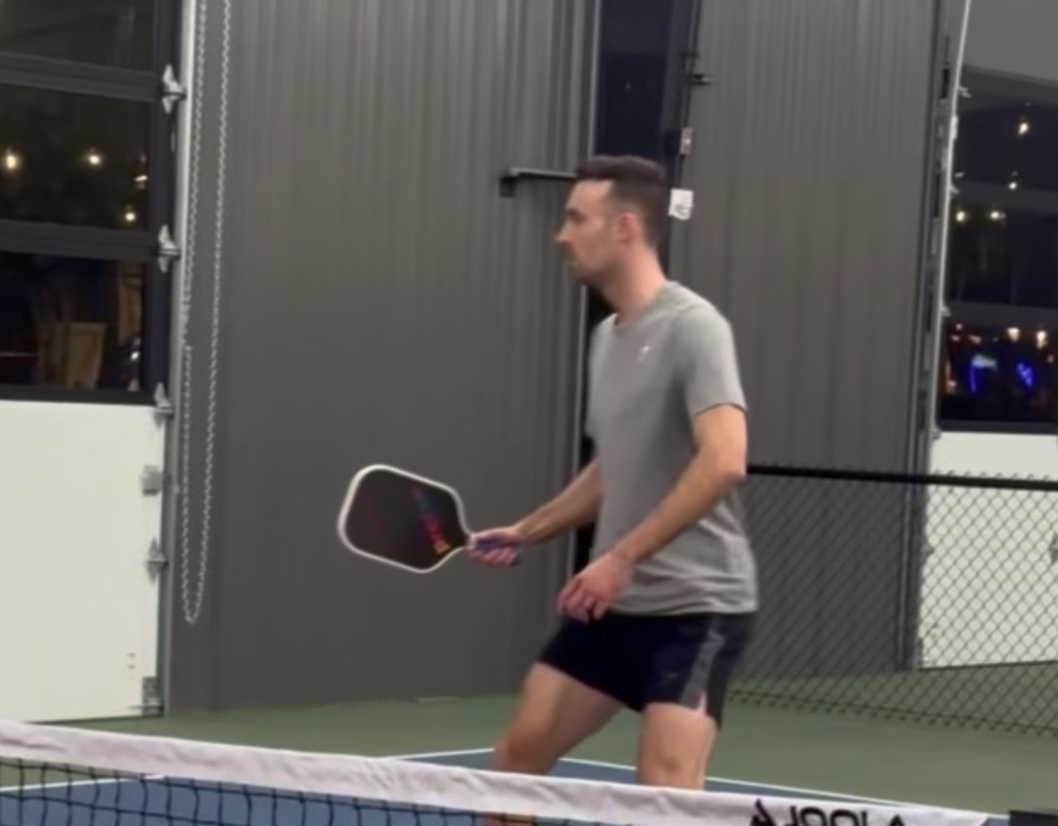
Proton Series 3
The JOOLA Perseus Pro IV followed shortly after, and I distinctly remember the two reasons I wanted to give it a try. Design and power.
JOOLA pros had a known edge at the time because of it. Pros without paddle contracts were using it because it was the best, or at least the most powerful paddle available to them at the time.
The first dedicated indoor pickleball facility opened in my hometown with JOOLA as a major sponsor. Every time I walked in, the Pro IV paddles were hanging on the wall. Eventually I got the chance to demo one, which was something I hadn’t been able to do very often throughout my paddle journey.
I bought one… then I bought another.
I genuinely really enjoyed that paddle and used up every bit of grit on both before moving on.

4.0+ Silver with Pro IV
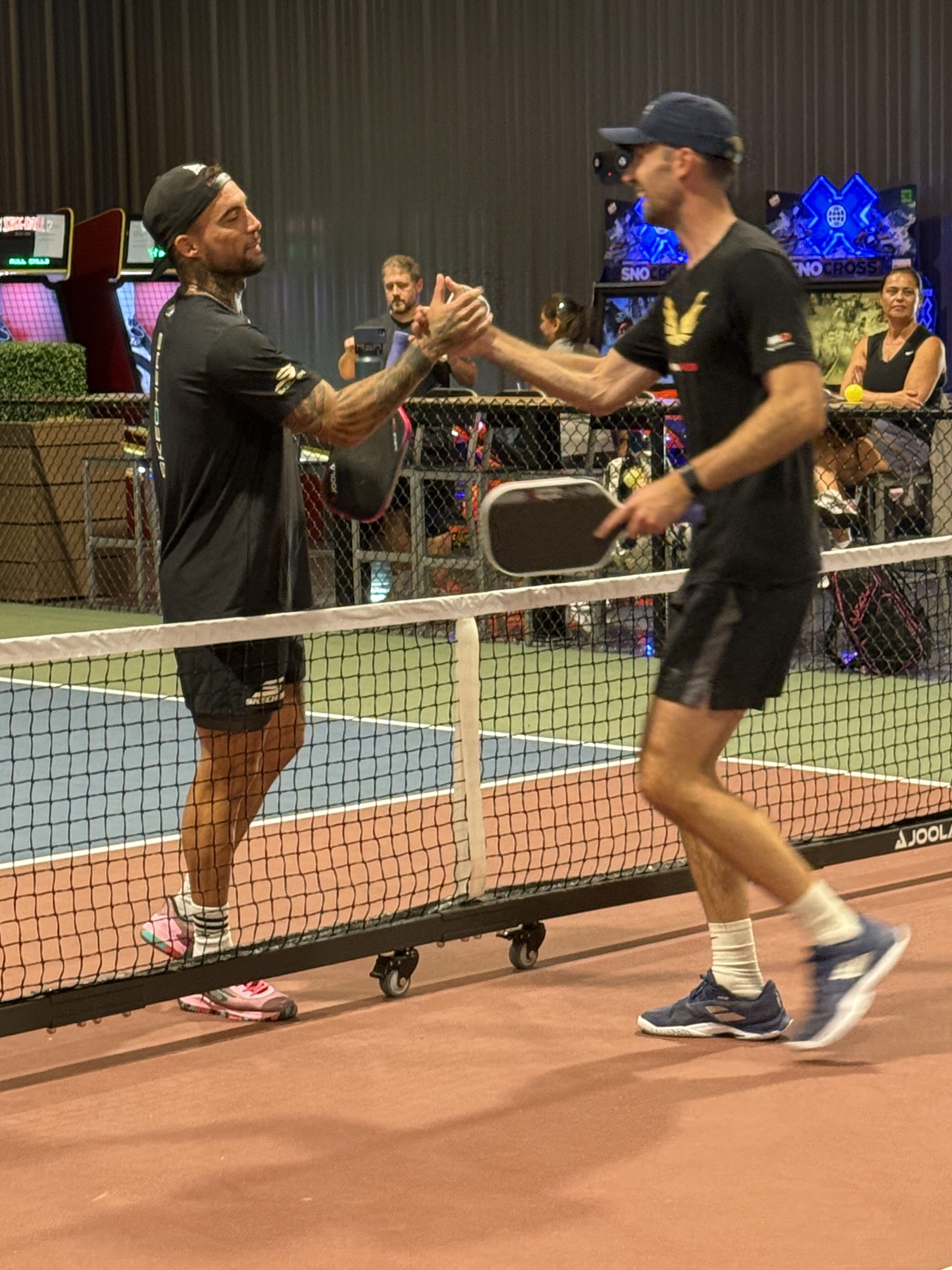
Tyson McGuffin Clinic
RPM came onto my radar through James Ignatowich, a professional player I had followed closely ever since his gold medal at TOC in Utah with Tyson McGuffin in 2023. By then I was already comfortable with power paddles, and James openly talked about how he wanted the Friction Pro to play like a JOOLA Pro IV.
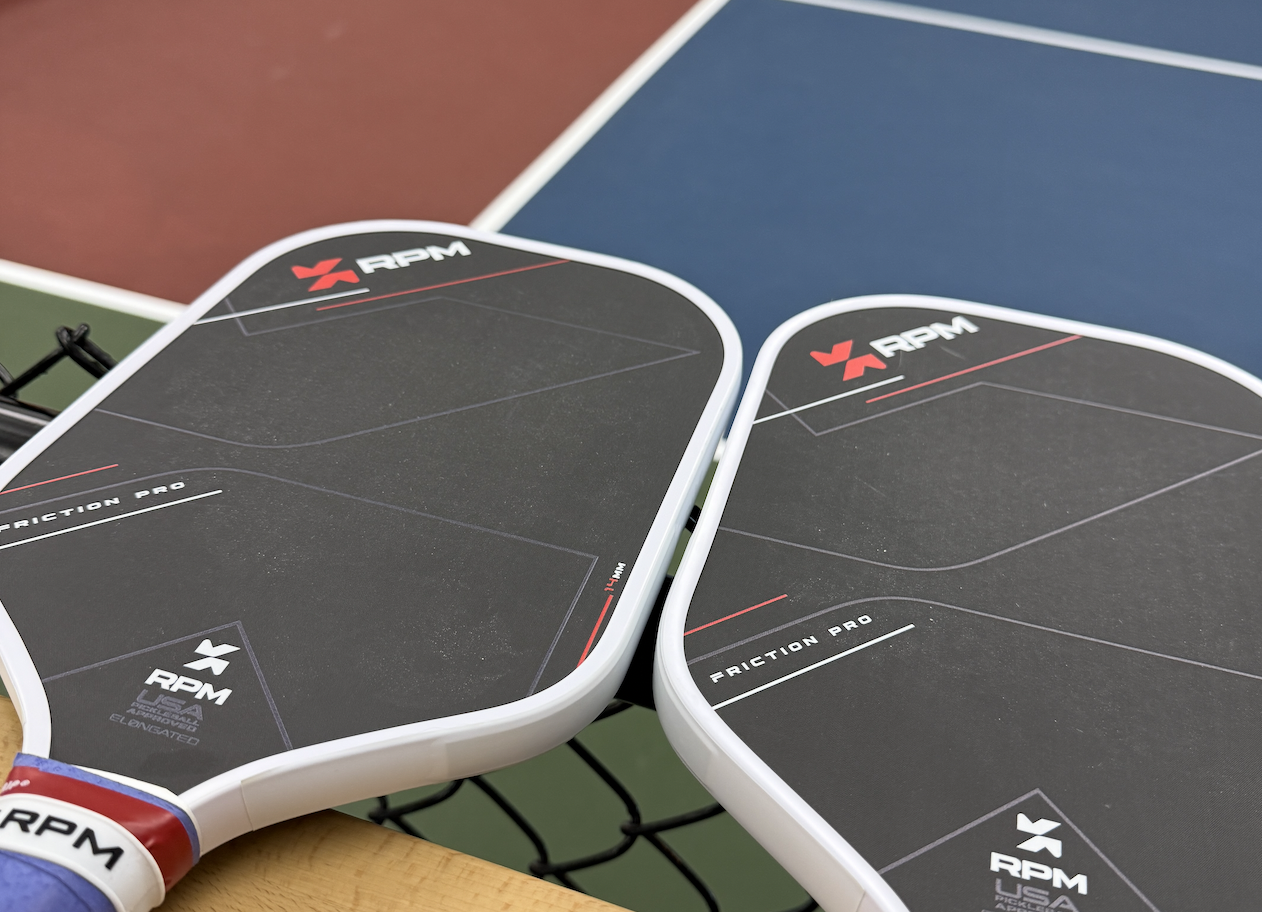
RPM Friction Pro V1
I applied early on to RPM’s ambassador program and was fortunate enough to be selected. Because of this and the discounted pricing, I ordered both the 14mm and 16mm versions of the Friction Pro V1 to figure out which one actually fit my game better. It sounds simple, but when you’re paying full price for every paddle you own, experimentation gets expensive quickly.
The 14mm won… with a catch. At the time (and still some today), I was dealing with golfer’s elbow and I was searching for every solution possible to help me keep playing. In my mind, 14mm, slightly lighter, has to be better for my arm. So that played a bigger part in going 14mm over 16mm than I realized at the time.
That carried over to the Ryan Fu Friction Pro V2 and that is the paddle I’ve used over the last 4-5 months.
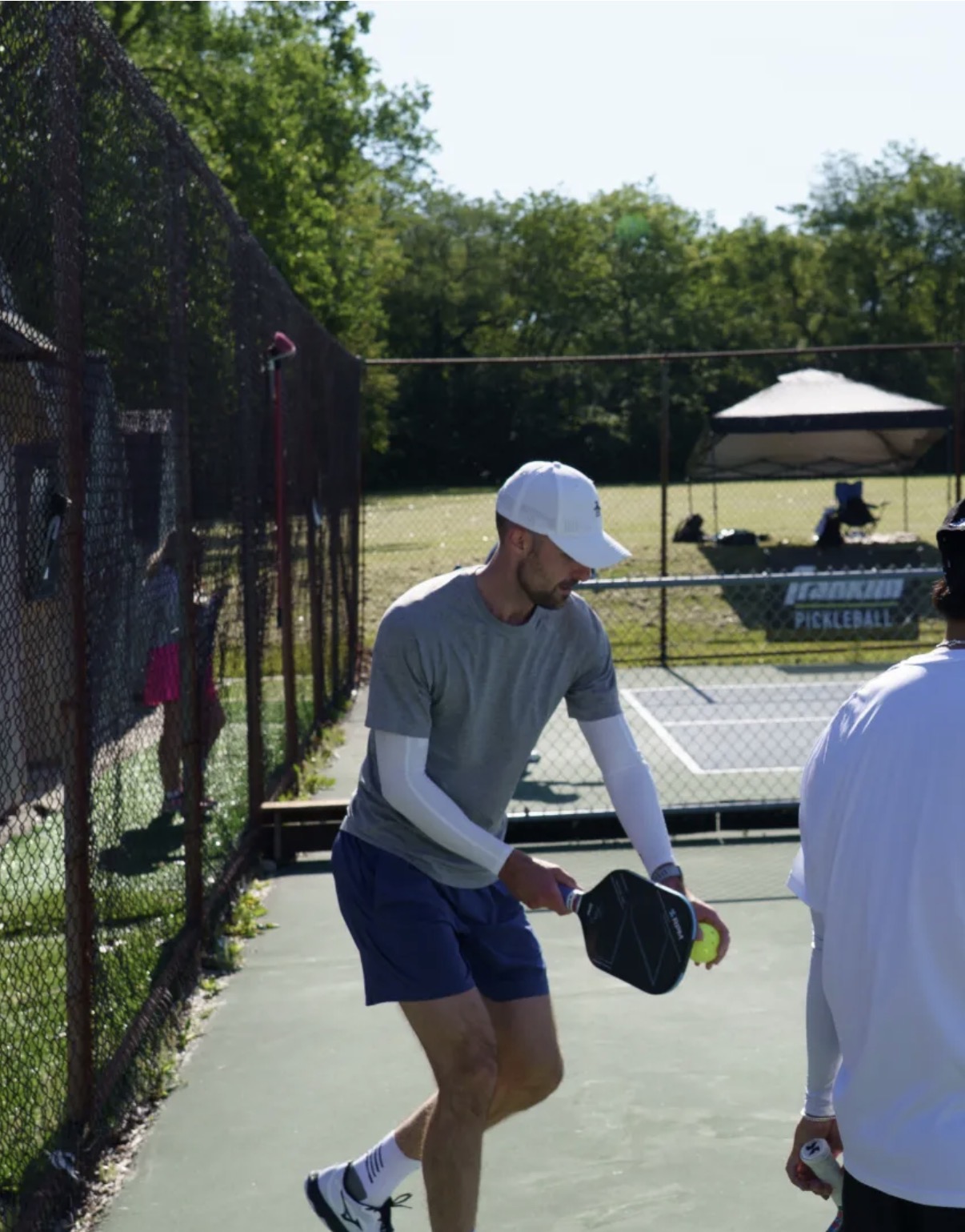
RPM Friction Pro V2 14mm
While I had some minor success in a couple of tournaments with it, in the back of my mind, something was telling me this really wasn’t the best paddle for ME and my game. At least in my current state.
What I Learned After Reaching 4.5 And What I’m Looking For Next
Paddles: SixZero Coral, SixZero Coral Pro, Selkirk Omni
My game had plateaued due to both a bit of burnout, but also the slightly nagging elbow injury that continued to worry me.
Over the last nine months, I drilled less, played less rec, entered fewer tournaments and truly had regressed. Now I’m finally going to physical therapy, I’m back on track, playing and drilling more, and excited as ever to explore new paddles for this new leg of my pickleball journey.
For years I had gravitated toward power paddles. I thought they fit my style, and when I was playing well they boosted the areas I really needed it in. But when my brain wasn’t sharp and my preparation wasn’t up to par, power paddles started exposing weaknesses I could previously get away with.
Today, I’m taking a different approach to my paddle search, and largely in part to my arrival as a writer for Pickleball Effect and getting an even deeper understanding (maybe more of a realization?) of paddles that aren’t power, aren’t elongated, and simply will probably fit my play style better. I’m a big guy at 6’5”, I can generate the power when I need it, but my game at its best has always been in the soft stuff and the consistency, rarely just purely overpowering those across the net.
Let the all-court paddle testing begin!
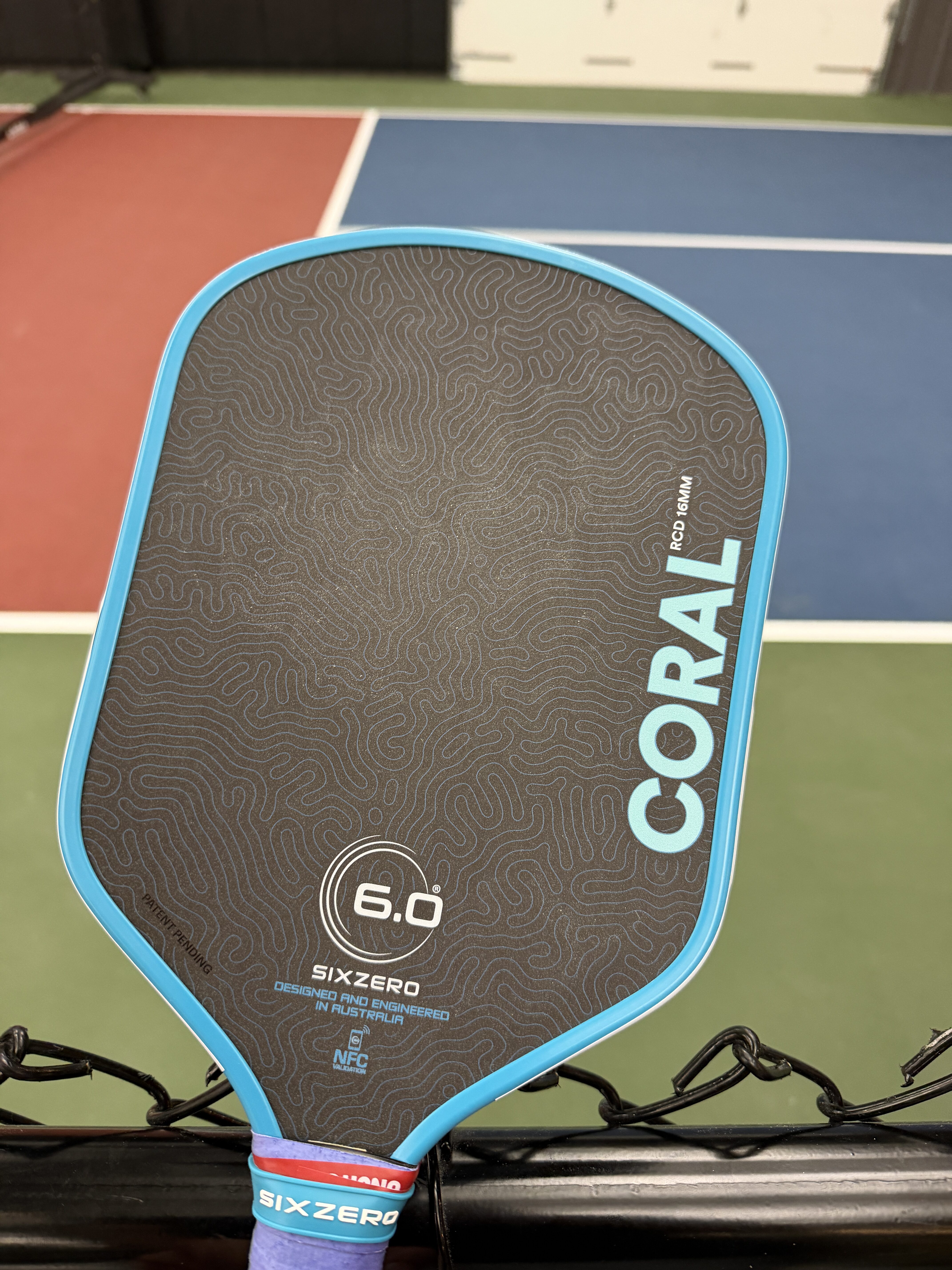
SixZero Coral
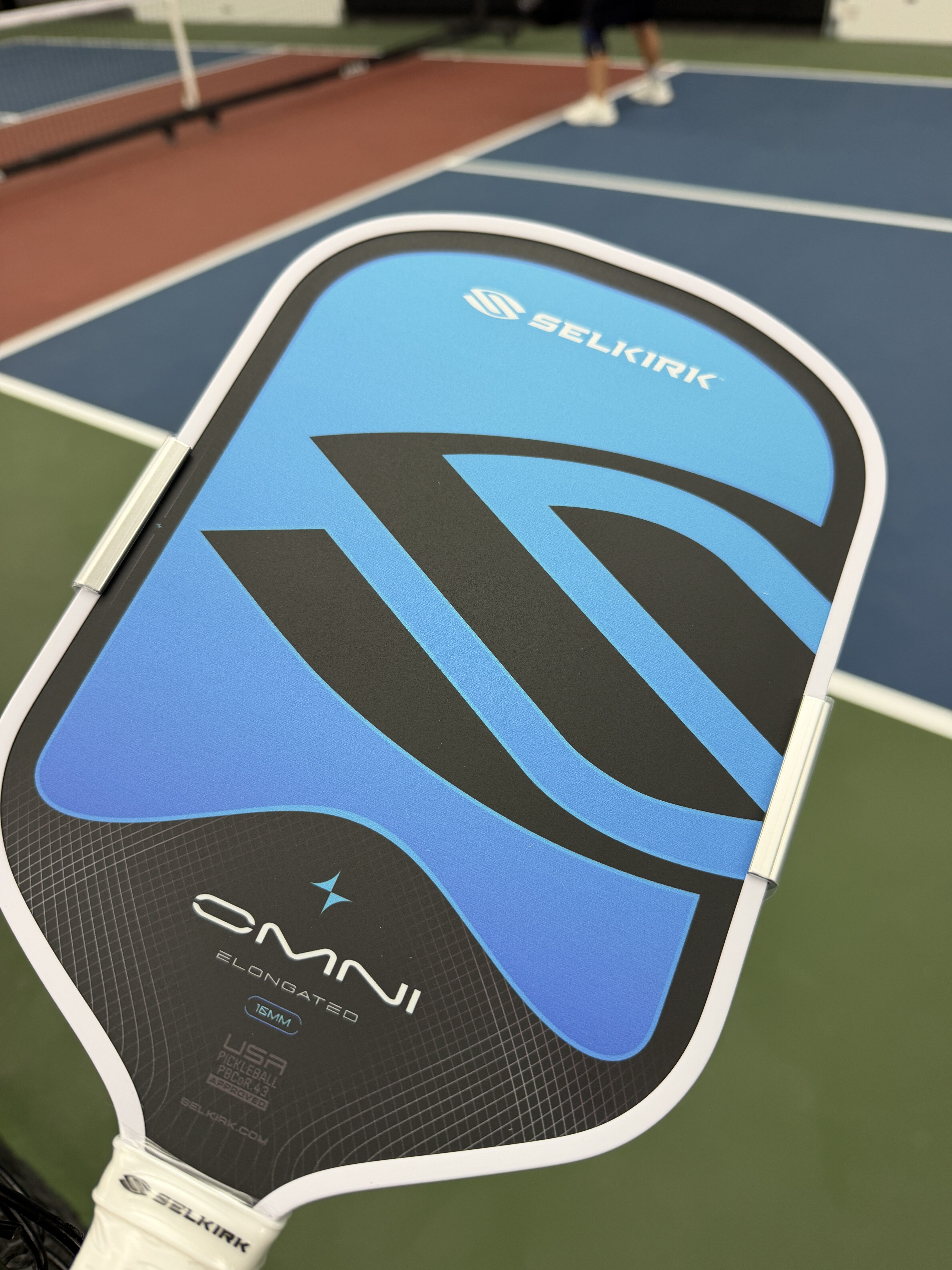
Selkirk Omni Elongated
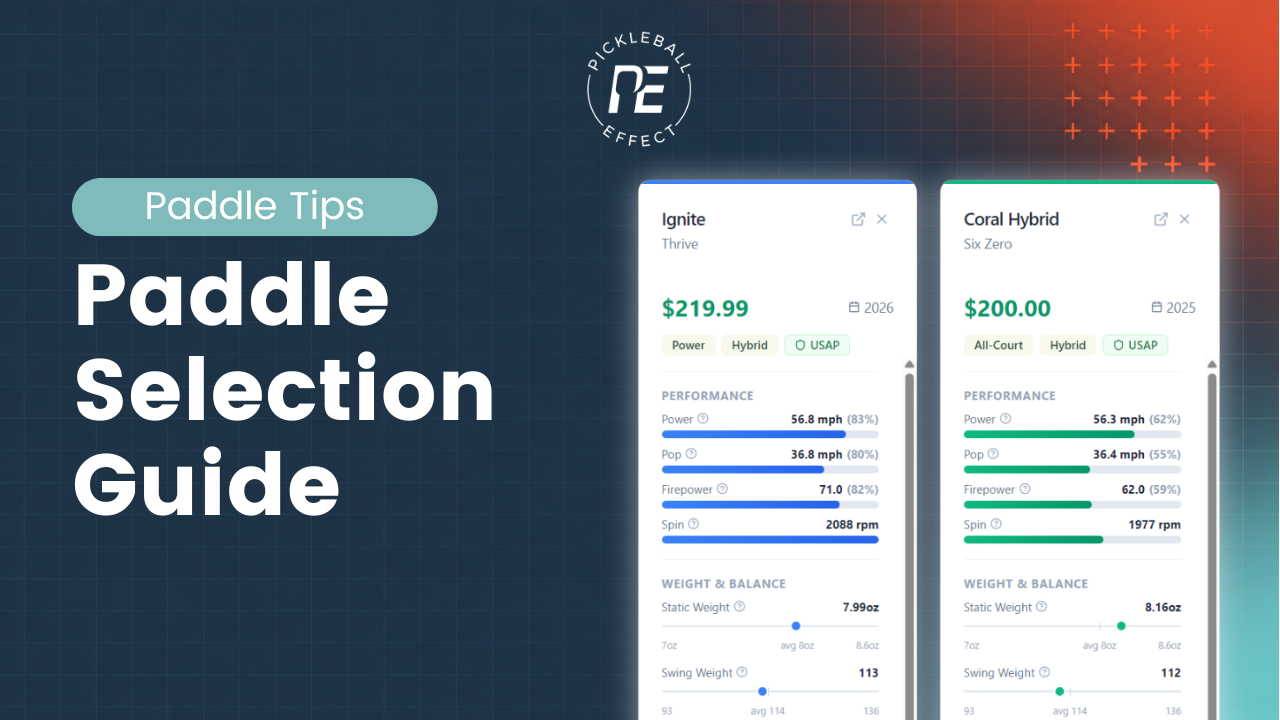
The Six Zero Coral arrived last week and so far, I’m in love. I’ve never hit a paddle quite this soft that I can remember. When the Coral Pro launches, I’ll definitely look to snag one for that extra grit.
Another paddle that’s caught my eye (like many), is the Selkirk Omni. I’m fortunate to have gotten my hands on one and I’m excited to get some reps in with it.
Final Thoughts
When I look back at my “journey” up to this point, I don’t regret any of it.
Lately I’ve found myself spending less time looking for the paddle that’s going to unlock some magical new level of performance and more about what will assist me in consistency, repetition, and slow improvement. The jump from 4.5 to anything above feels (and really is) so much greater than my jump from 3.0/3.5 to 4.5. That’s how it has felt for me, personally.
The paddle still matters, but if the last three years have taught me anything, it’s that the best paddle is usually the one that complements the game you actually have while you’re working toward the game you want.
And sometimes those are two very different things. Took me long enough to figure that out, but here we are.