
Welcome to the August Paddle Blitz. Each month I run through the paddles I’ve been testing and give you the quick hits. The goal here is short, clear, and useful so you can see at a glance what a paddle does best and who it fits.
This time, I tool a look into the Bread & Butter full-foam Loco series, new J3NF and J2NF LH shapes in the Honolulu NF series, and Pickleball Apes Harmony series.
I would like to thank these brands for sending me these paddles, however, this article is not sponsored by them. The opinions expressed here are solely my own and are intended to help you find the best paddle for your game.
Let’s dive in.
Looking for the right paddle to fit your game? Take our paddle fitting quiz for three recommendations that will match your style of play.
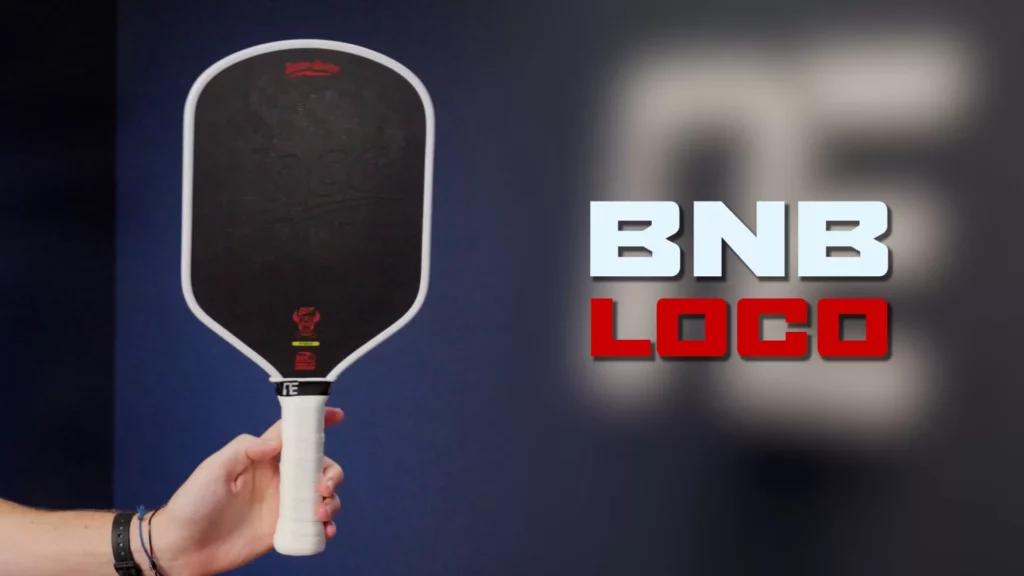
The power paddle that bridges the gap for the power needs of high level players, delivering big offense without pro-only demands.
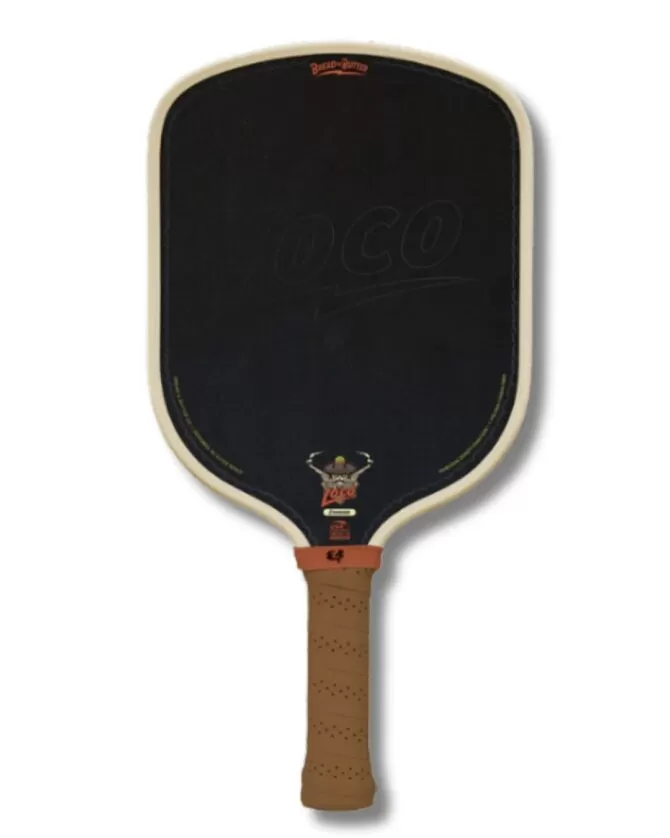
Loco Standard
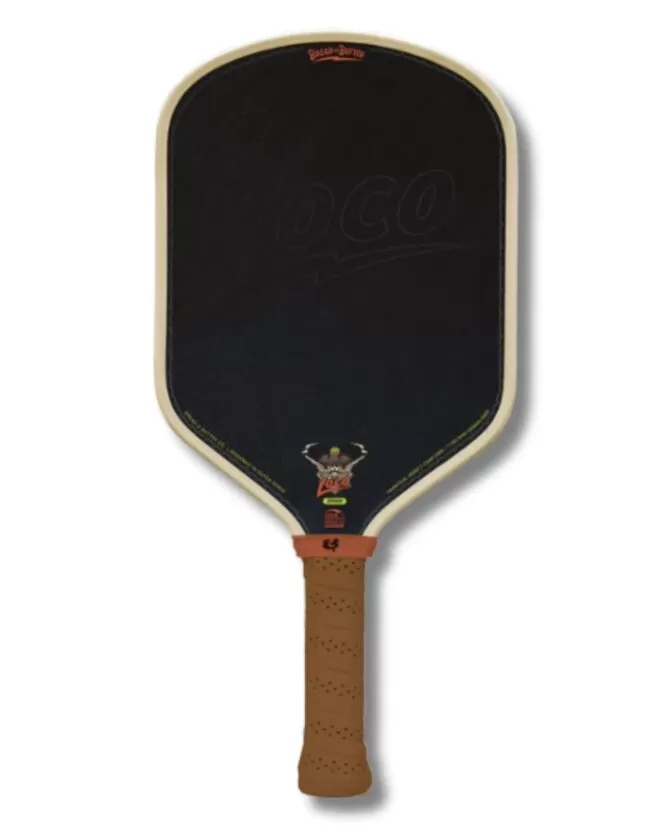
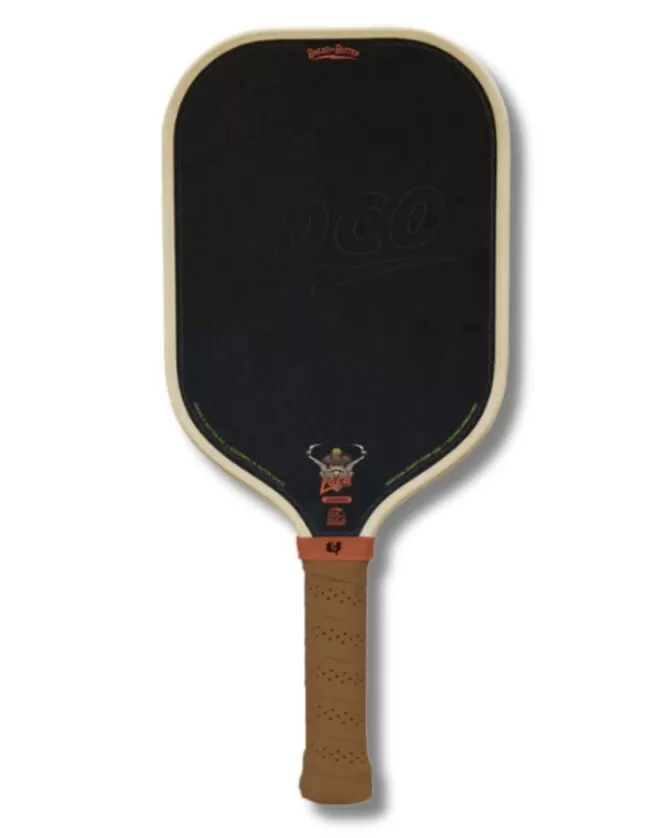
| Metric | Standard | Hybrid | Elongated |
|---|---|---|---|
|
Paddle Type |
Power |
Power |
Power |
|
Static Weight |
8 oz avg |
8 oz avg |
8 oz avg |
|
Swingweight |
110 avg |
113 avg |
120 avg |
|
Twistweight |
7.33 |
6.67 |
7.33 |
|
Core |
Gen 4 EPP Floating Core |
Gen 4 EPP Floating Core |
Gen 4 EPP Floating Core |
|
Handle Length |
5.3 |
5.5 |
5.5 |
|
Grip Size |
4.25 |
4.25 |
4.25 |
For more paddle stats like this, check out my paddle database.
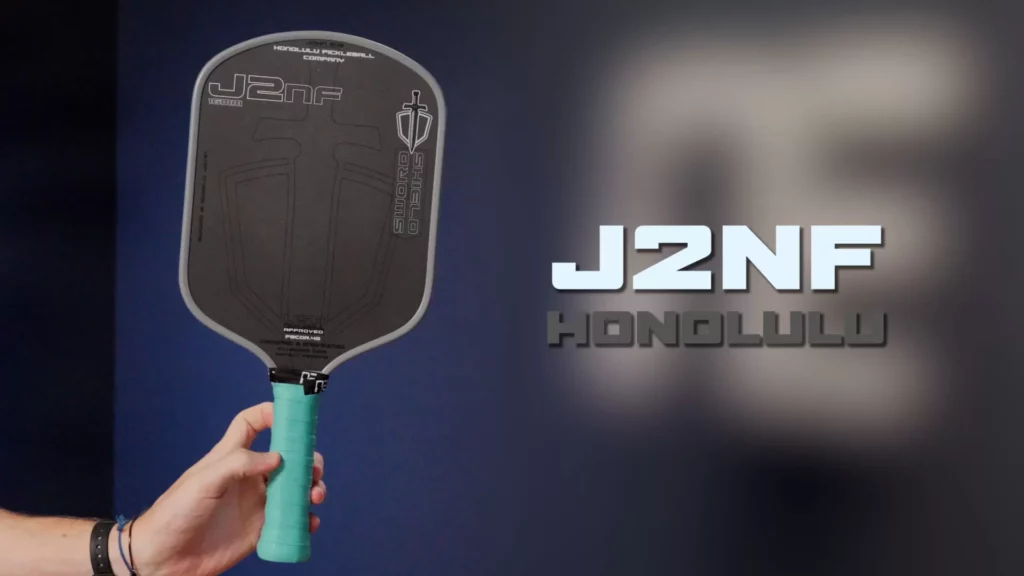
A perfect upgrade for players who liked the original J2NF but need more handle length for consistent two-handed play.
| Metric | J2NF LH |
|---|---|
|
Shape |
Hybrid |
|
Paddle Type |
Power |
|
Static Weight |
8.2 oz avg |
|
Swingweight |
110-114 |
|
Twistweight |
6.7 avg |
|
Handle Length |
6″ |
|
Grip Size |
4.13″ |
For more paddle stats like this, check out my paddle database.
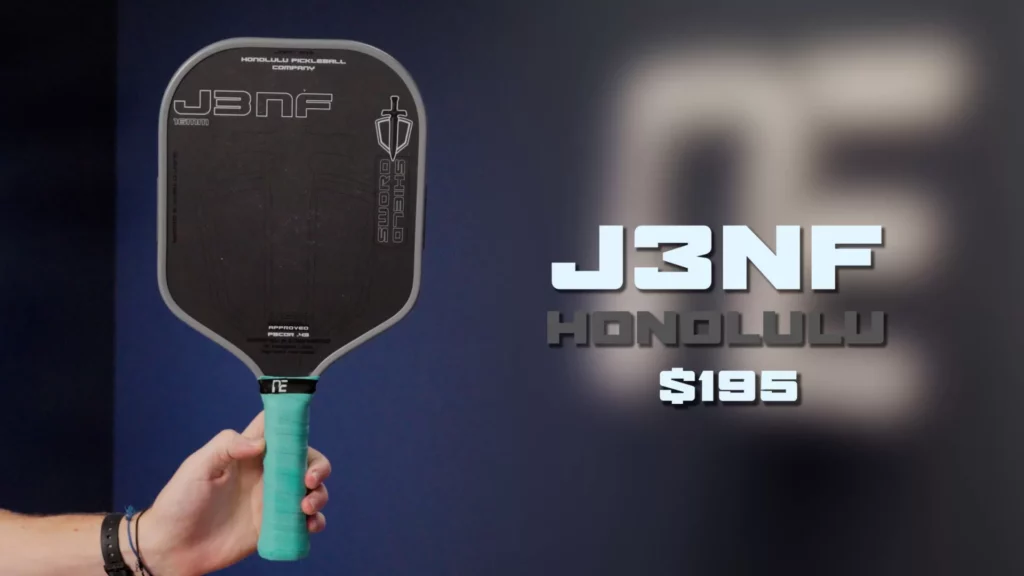
| Metric | J3NF |
|---|---|
|
Shape |
Widebody |
|
Paddle Type |
Power |
|
Static Weight |
8.2 oz avg |
|
Swingweight |
107-111 |
|
Twistweight |
6.7 avg |
|
Handle Length |
6″ |
|
Grip Size |
4.13″ |
For more paddle stats like this, check out my paddle database.
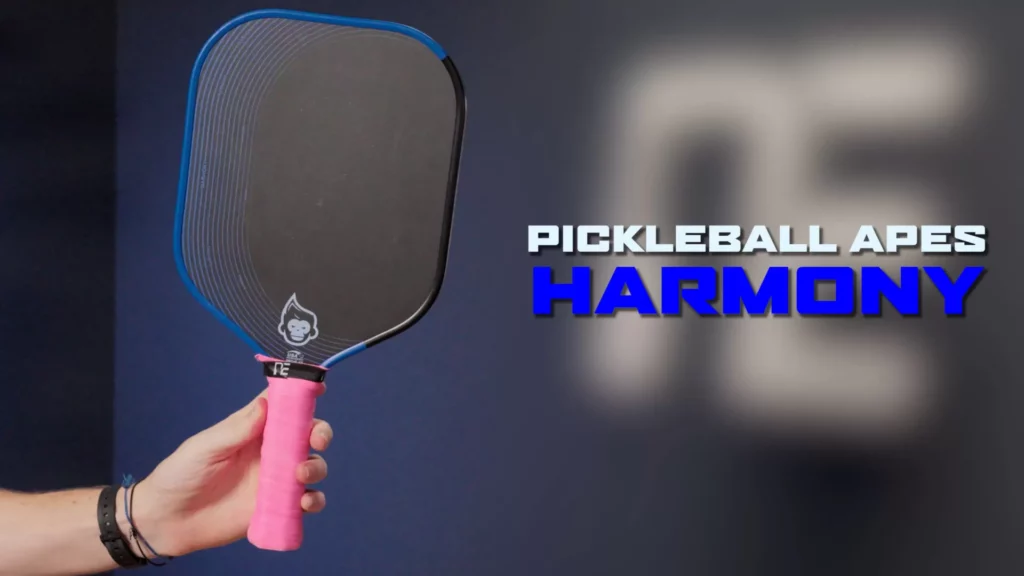
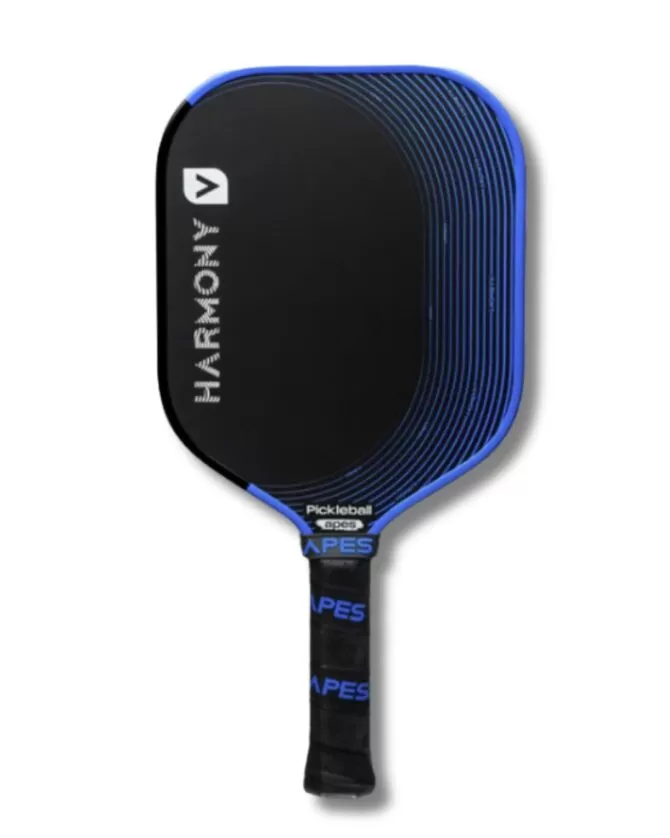
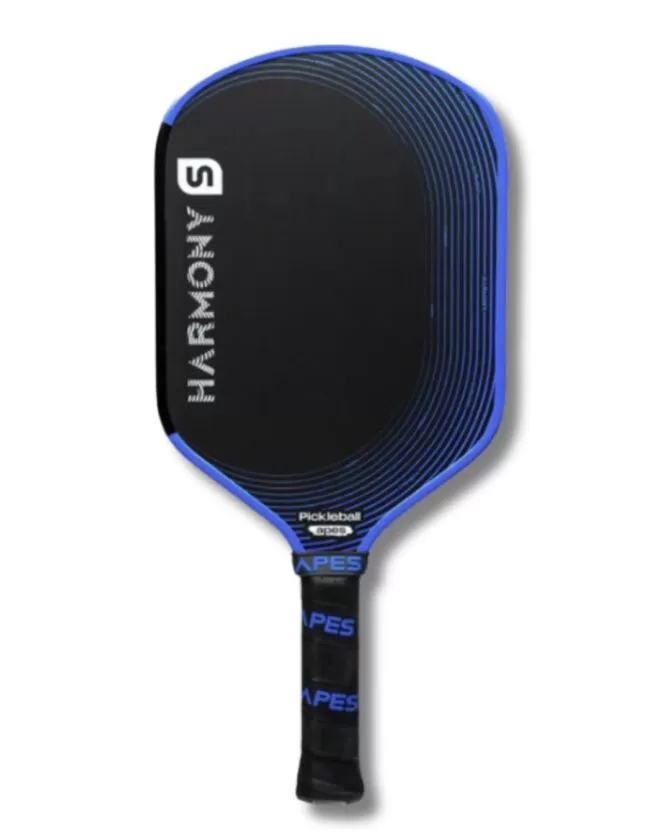
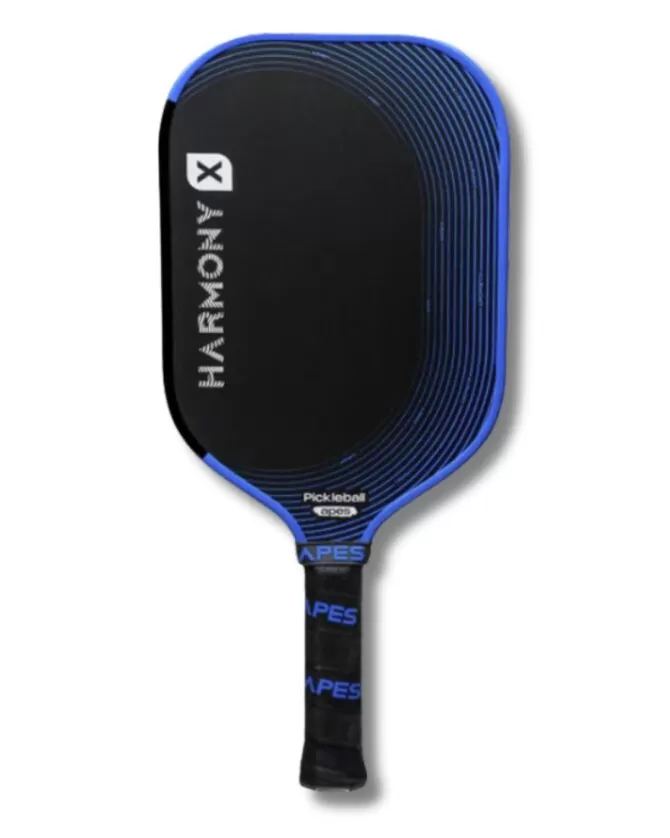
| Metric | V | S | X |
|---|---|---|---|
|
Paddle Type |
Control |
Control |
Control |
|
Static Weight |
8 oz avg |
8 oz avg |
8 oz avg |
|
Swingweight |
109 avg |
113 avg |
120 avg |
|
Twistweight |
7.23 |
6.25 |
6.12 |
|
Core |
16.5mm Gen 3 Variation |
16.5mm Gen 3 Variation |
16.5mm Gen 3 Variation |
|
Handle Length |
5.5 |
5.5 |
5.75 |
|
Grip Size |
4.25 |
4.25 |
4.25 |
For more paddle stats like this, check out my paddle database.
We’ve categorized paddles into three categories. Control, All-Court, and Power. Paddle categories are determined by Braydon after he hits or reviews the paddle.
A paddle’s weight represents the inherent mass of the paddle as measured on a scale. However, relying solely on this static weight measurement can be misleading when assessing the true perceived heaviness of the paddle. Even if two paddles both clock in at 8 oz, their actual heft in your hand can markedly differ due to variations in weight distribution within the paddle. This is why the static weight should be considered with the swingweight of the paddle. See the definition of swingweight below.
The weight value listed in the database corresponds to the paddle’s weight that I used to gather the swingweight and twistweight measurement. It’s possible that if your paddle has a different static weight than then the swingweight and twistweight may be slightly different.
Swingweight is a measure of the paddle’s resistance to swinging about the end of the handle. The higher the swingweight number the heavier it will feel in your hands. A higher swingweight has more power but is harder to swing, lower swingweight is easier to swing but has less power. Sometimes a faster swing with a lower swingweight can make up for power lost in swingweight. The price paid for that is greater impact shock. Stock swingweights will vary between 100 – 140.
Twistweight is the resistance to rotating around the long axis through the middle of the paddle from butt to tip. The higher the twistweight the more resistance the paddle has to rotating on off center hits. This measurement is closely related to the amount of forgiveness or the size of the sweet spot of the paddle. A higher twistweight indicates a bigger sweet spot. Twistweight numbers range from 5 – 8.
Measuring the revolutions per minute (RPMs) off of a serve you get a number that shows the spin potential of a paddle. Using these RPM measurements I’ve created five buckets that a paddle will fall into indicating its overall spin potential. The five buckets are:
1900 or Higher = Very High
1700 – 1900 = High
1500 – 1700 = Medium
1300 – 1500 = Low
1300 or less = Very Low
You can tell a big difference in the amount of spin a paddle generates when you compare a Very High paddle to a low paddle. But the gains from Medium to High to Very High are marginal. We’ve found that having at least a medium rating is often enough if you’re looking for a good spin paddle. However, if you’re a big hitter then you will benefit more from a high spin paddle to help you keep the ball in play more often.
The power level of a paddle is shown in miles per hour (MPH) after taking ten measurements with a speed gun of hitting a serve as hard as I can. This measurement gives you an idea of how hard you can hit the ball when given the chance to take a full swing. So shots like serves, drives and overheads. The higher the MPH reading the more power you can generate with the paddle.
I also show the percentile ranking of the measurement to give you an idea of how it stacks up against the rest of the paddles in my database.
The pop level of a paddle is shown in miles per hour (MPH) after taking the average of ten speed gun measurements of hitting a punch volley as hard as I can. This measurement gives you an idea of how hard you can hit the ball on shorter swings and gives you an idea of how quickly a ball comes off the face when you apply less force on the ball. So shots volleys, dinks, counters, and resets are all affected by the pop measurement. The higher the pop measurement the stronger your counters will be but it takes more skill to keep the ball from floating or popping up on you when resetting a hard hit ball or when dinking.
I also show the percentile ranking of the measurement to give you an idea of how it stacks up against the rest of the paddles in my database.
The term “forgiveness” pertains to both the size of the sweet spot and the stability of the paddle. A paddle that is more forgiving offers a larger sweet spot, greater stability, and yields more power when hitting off-center shots. On the other hand, a less forgiving paddle has a smaller sweet spot and does not provide as much power when hitting off-center shots.
While there seems to be only benefits of more forgiving paddles, less forgiving paddles are often more maneuverable and is easier to generate more paddle speed.

Looking for the right paddle to fit your game? Take our paddle fitting quiz for three recommendations that will match your style of play.