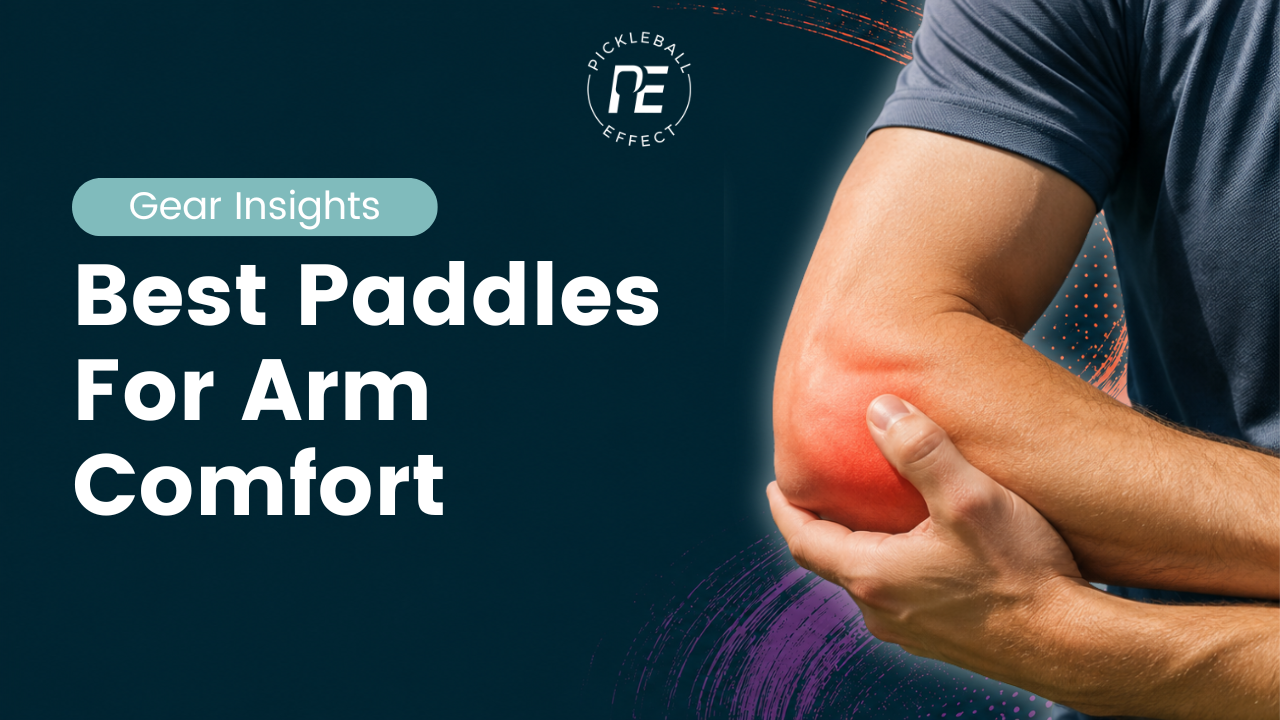
We regularly get asked whether some paddles are easier on the arm and elbow than others. The forums are littered with different variations of the same question.
“My elbow has been bothering me. Is there a paddle that might help?”
The responses are well-meaning but scattered. Go lighter. Try a softer core. Just stretch more. Nobody really answers with specifics like we’re doing here.
We’ve built an entire vocabulary around paddle performance in power, spin, control… but we’ve never put official criteria around a paddle’s “comfort.” The metrics you typically pay attention to evaluate performance aren’t necessarily the same ones that determine how your arm feels on Thursday after playing Tuesday and Wednesday.
I started asking the same question myself after dealing with tennis and golfer’s elbow that kept nagging no matter what I adjusted off the court. Recently, Braydon and Aaron were discussing player injuries on the podcast from a popular Reddit thread. I realized we were all asking the same question, but no one really has a framework for answering it.
So I started digging through our testing data to see if there were measurable paddle characteristics that consistently pointed toward a more comfortable playing experience.
One thing worth stating upfront… comfort is influenced by technique, conditioning, recovery, and playing volume in addition to the gear you chose. This doesn’t address everything nor do we intend to. The PE Comfort Index is a gear evaluation tool, not a medical rating, and it shouldn’t be treated as one.
Affiliate disclosure: If you click the links on the page or use our discount codes, we may earn a small commission at no extra cost to you that supports our testing and reviews.
The PE Comfort Index is built around five characteristics that separate the most arm-friendly paddles: swing weight, twist weight, build generation, firepower, and grip size. Each influences comfort differently and carries a different level of importance, but together they provide a much more complete picture than any single metric alone.
Not to be confused with static weight. Two paddles can weigh the same on a scale but feel completely different in motion. Swing weight measures how heavy a paddle feels as you swing it. Lower swing weights reduce the effort required on every shot, which can make a noticeable difference over hundreds of swings. Lower percentile = easier to swing.
When you hit outside the sweet spot, the paddle wants to rotate in your hand. Most players instinctively grip harder to stop it. Over time, that extra grip tension can fatigue the forearm. Twist weight measures how well the paddle resists that rotation. Higher percentile = more stability and less need to compensate.
Construction affects how the paddle feels at impact. Gen 3 and Gen 4 paddles generally absorb and distribute impact better than older polymer designs, reducing the harshness you feel on contact. Every paddle in this guide uses a Gen 3 or Gen 4 construction for that reason.
Comfort isn’t just about reducing vibration. If a paddle requires you to swing harder to create pace, your arm has to do more work. We found paddles below roughly the 45th percentile in firepower often required noticeably more effort. Every paddle in this guide meets or exceeds that threshold.
Too small encourages over-gripping, while too large can limit wrist mobility. Grip size isn’t a scored metric in the PE Comfort Index because it’s a player-specific fit variable. The right grip lets your hand stay relaxed through contact. In general, grips measuring 4.125 inches or larger tend to require less grip pressure, which may help reduce forearm strain for many players.
This framework reflects measurable paddle characteristics related to comfort during play. It is not a medical assessment and is not intended to replace advice from a sports medicine professional.
Each recommendation includes a quick stats line highlighting the characteristics that make up the PE Comfort Index. Swing Weight (SW), Twist Weight (TW), and Firepower (FP) are shown as percentiles, followed by the paddle’s build generation, performance profile, and MSRP.
Widebody paddles dominate the top of the comfort scores. The shorter shape keeps swing weight lower, the wider face improves off-center stability, and the larger sweet spot reduces grip compensation.
Many widebody paddles earned strong PE Comfort Index scores, but these six were the clear standouts. Compare their scores and specs to see which one best fits your game.
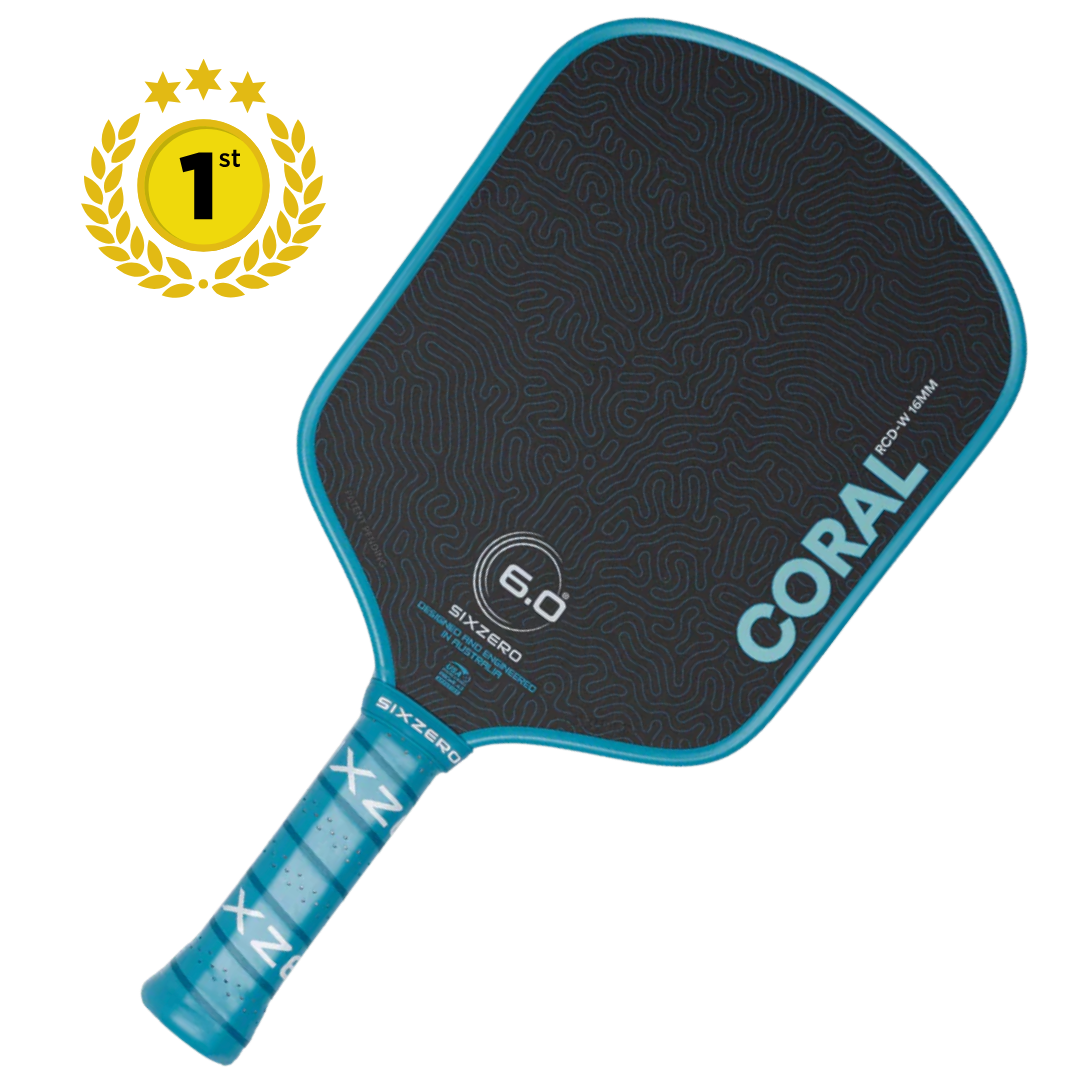
The benchmark for this framework. An 11th percentile swing weight paired with a 96th percentile twist weight is an elite combination — easy to swing, stable on mishits, and the Gen 4 foam core adds a dampened feel you notice on repeated contact. The Coral Pro version brings improved grit durability with nearly identical comfort numbers if longevity is a factor.
SW: 11th | TW: 96th | FP: 55th | Gen 4 | All-Court | $200
Button activates discount that is applied at checkout.
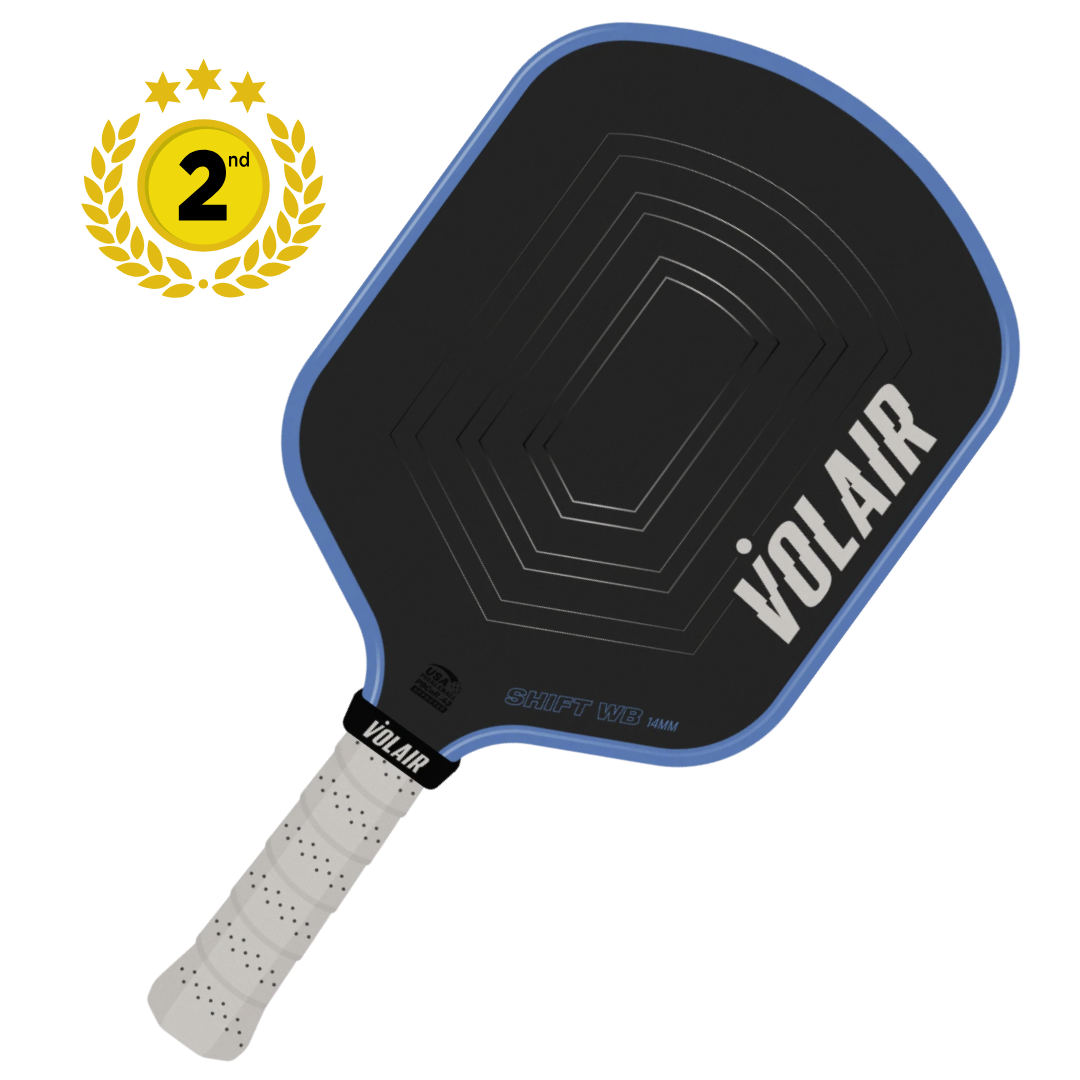
No weaknesses across the five criteria. The 11th percentile swing weight, 95th percentile twist weight, and 82nd percentile firepower make it one of the most complete comfort profiles on the list. If the Coral isn’t available or isn’t the right fit, this is the next call.
SW: 11th | TW: 95th | FP: 82nd | Gen 4 | Power | $190
Use promo code PBEFFECT to save.
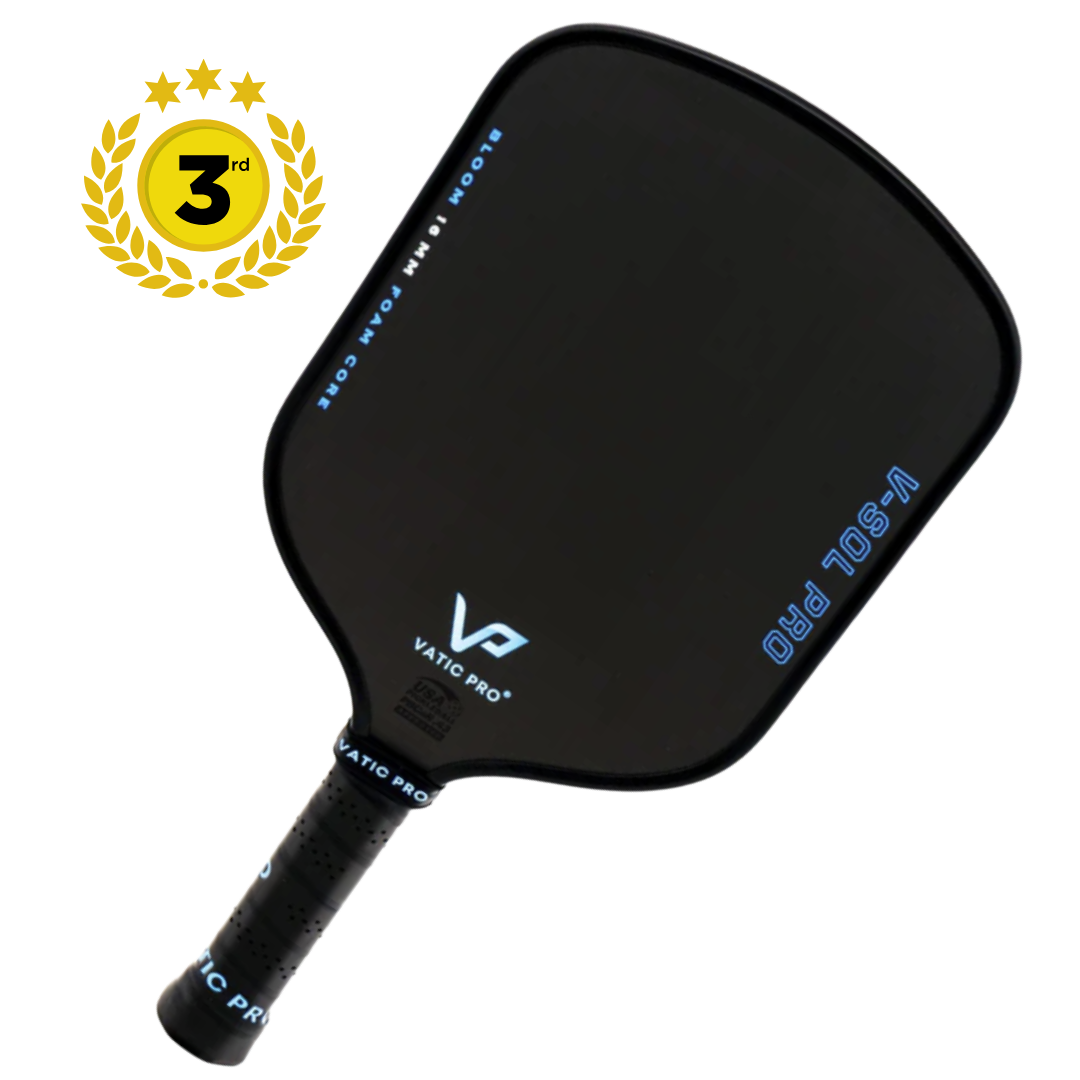
The best value paddle on this list. A 7th percentile swing weight at $110 is genuinely hard to argue with, and the Gen 4 foam core performs well above its price point on feel. If budget is a real constraint, start here.
SW: 7th | TW: 82nd | FP: 62nd | Gen 4 | Power | $110
Use promo code PBEFFECT to save.
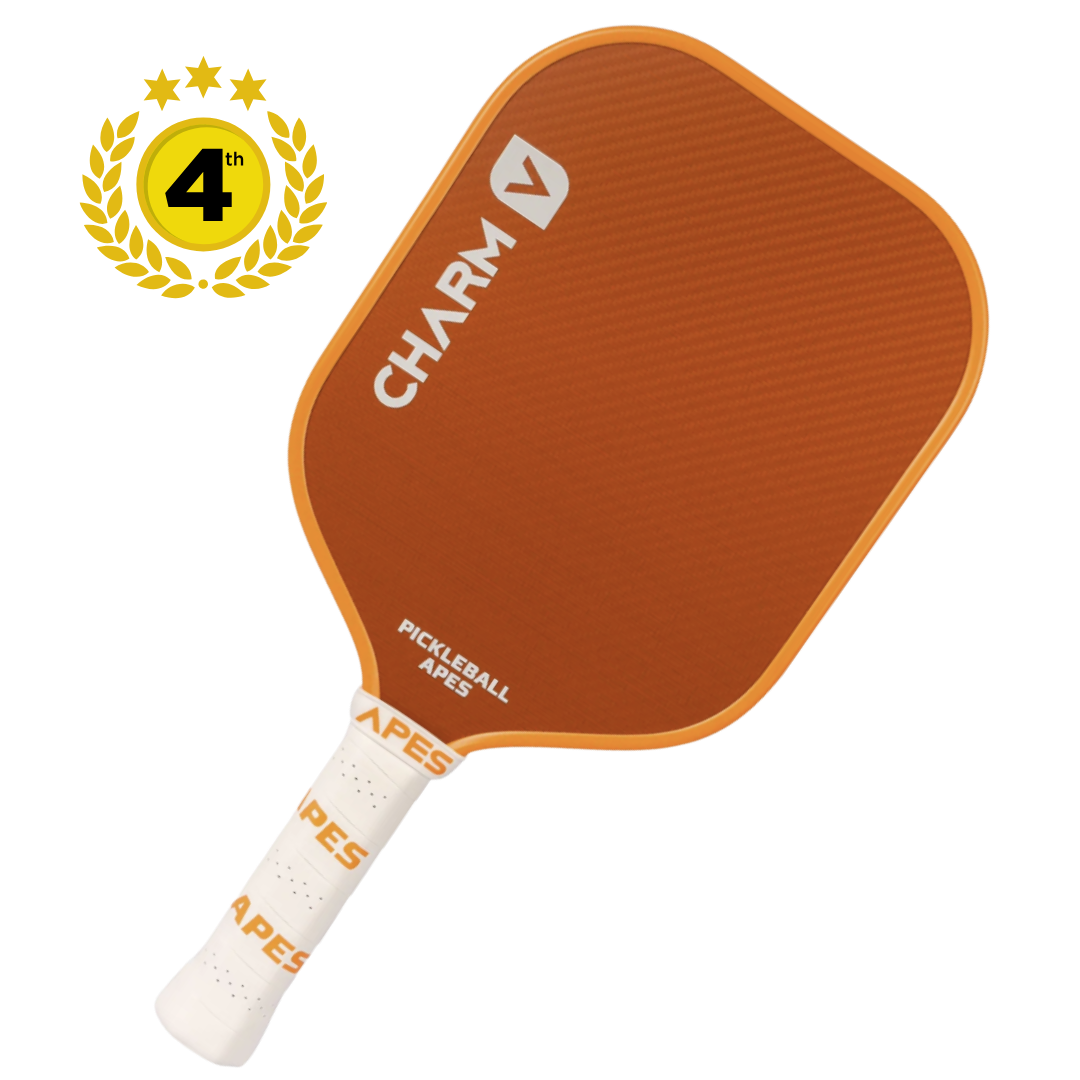
The 97th percentile twist weight is one of the highest in the entire database. Swing weight is slightly higher than the other widebodies here, but for players who consistently miss toward the edges, that stability is worth more than a few percentile points on swing weight.
SW: 25th | TW: 97th | FP: 64th | Gen 4 | All-Court | $200
Use promo code PBEFFECT to save.
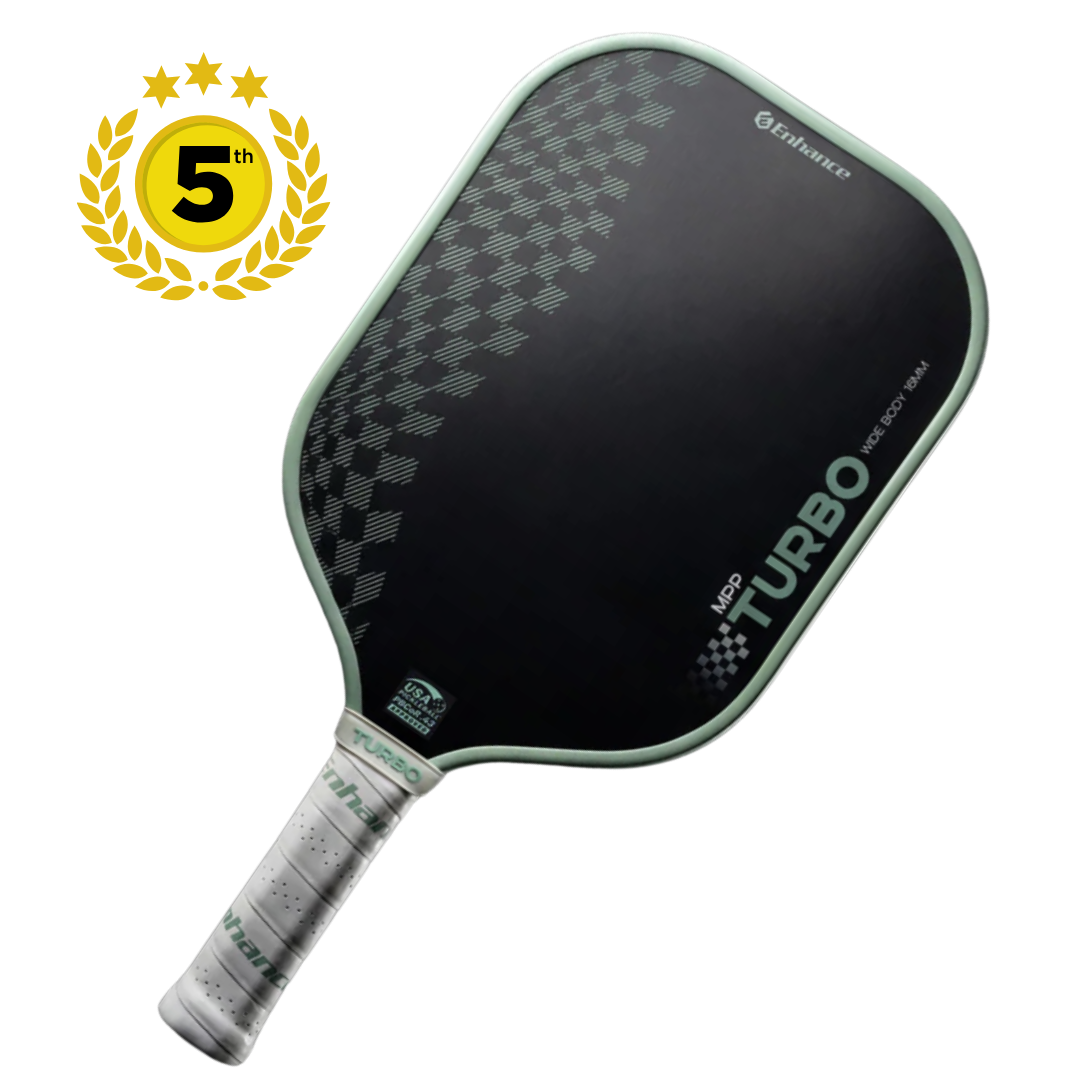
A 92nd percentile twist weight at $120 makes this one of the stronger value picks on the list. At 85th percentile firepower, you’re getting legitimate offensive output at a budget price point.
SW: 19th | TW: 92nd | FP: 85th | Gen 4 | Power | $120
Use promo code PBEFFECT to save.
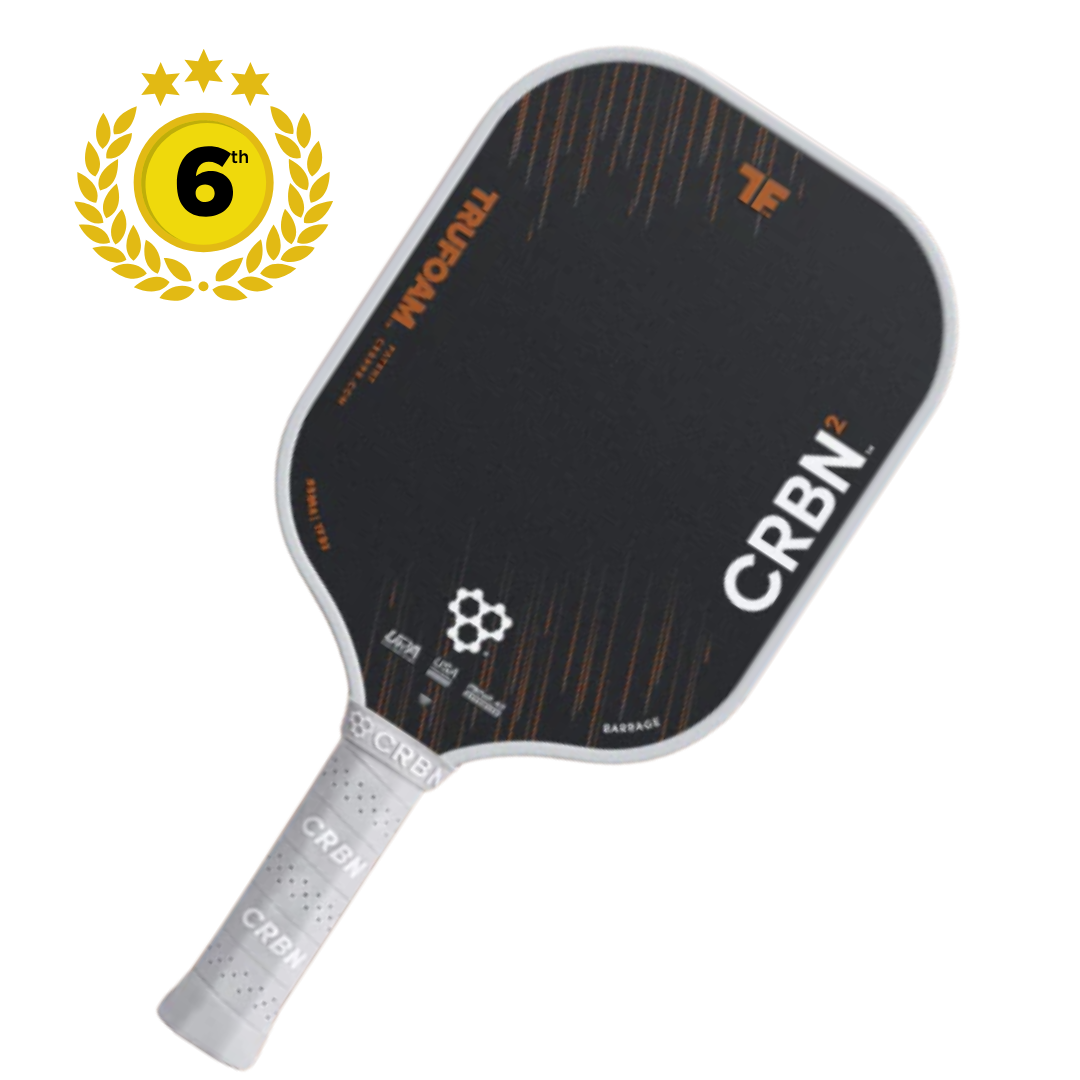
The lowest comfort score of the widebody group. The TruFoam construction has a distinctly dense, dampened feel that stands apart from most foam builds. If that’s the feel you prefer, the comfort numbers are still solid enough to recommend it.
SW: 19th | TW: 84th | FP: 72nd | Gen 4 | All-Court | $280
Use promo code PBEFFECT to save.
Want to compare these paddles side by side?
This is where the tradeoffs start to show. More reach and a longer hitting surface naturally push swing weights up and twist weights down. The hybrids below are some of the most comfort-conscious options in the category, and for players committed to the shape, they’re your best picks.
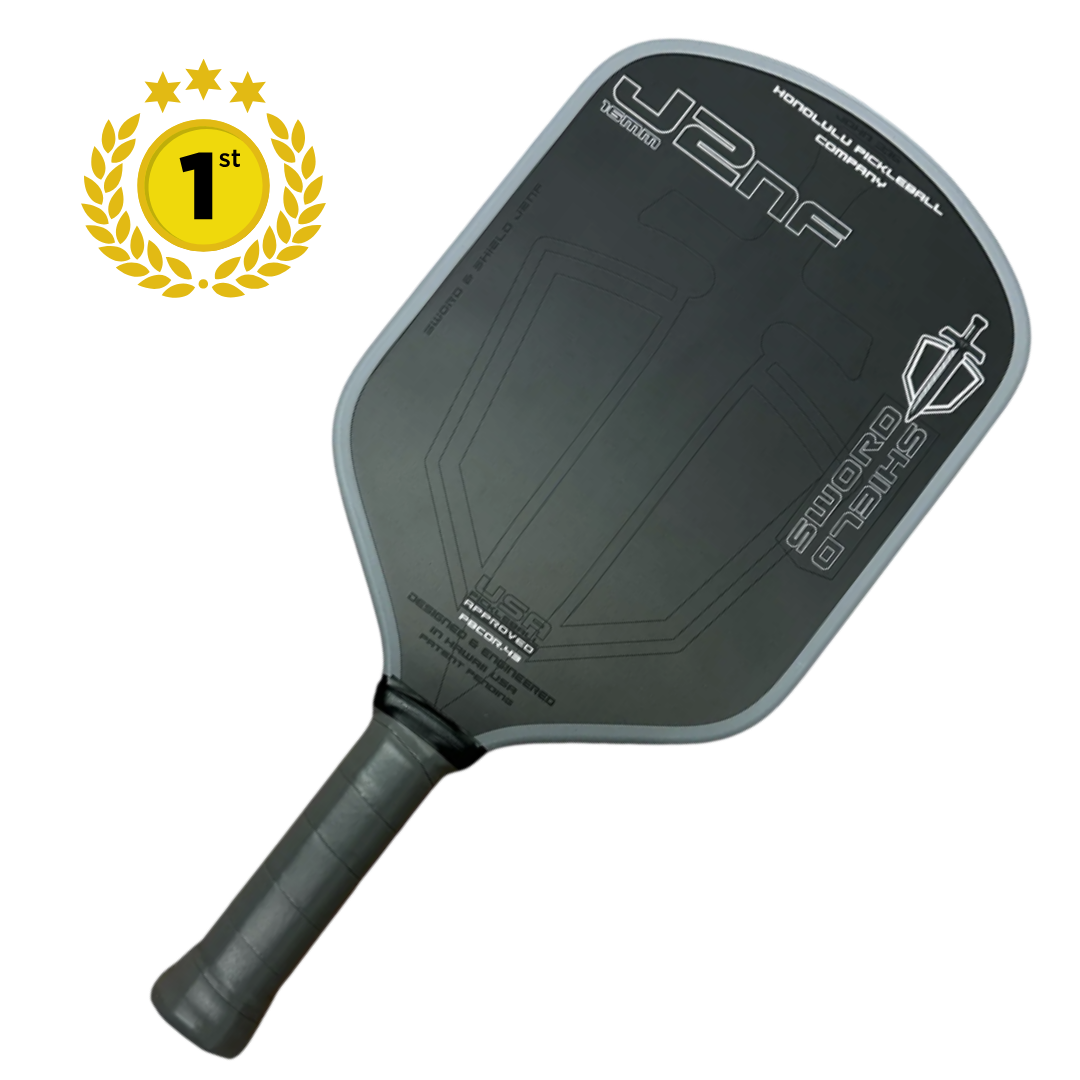
The strongest hybrid comfort profile on the list. A 19th percentile swing weight is genuinely low for the shape, and 50th percentile firepower clears the threshold without asking you to generate everything yourself. If I were pointing most recreational hybrid players toward one option, this would be it.
SW: 19th | TW: 70th | FP: 50th | Gen 4 | Power | $195
Use promo code PBEFFECT to save.
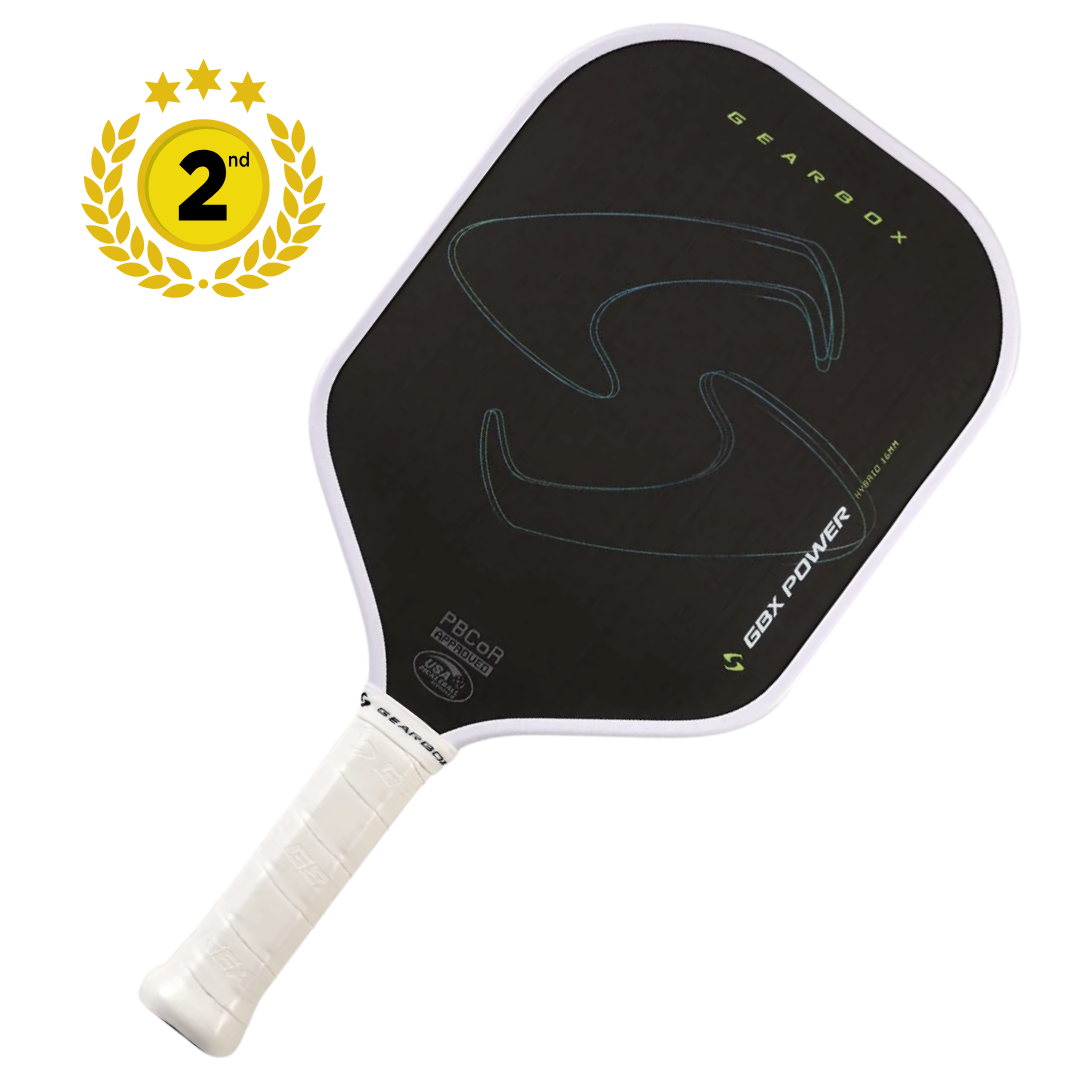
Consistent across every metric — 25th percentile swing weight, 75th percentile twist weight, 68th percentile firepower. It plays like those numbers suggest: predictable, stable, no surprises. For players who want a mid-price hybrid that earns its place on data rather than marketing, it’s a reliable pick.
SW: 25th | TW: 75th | FP: 68th | Gen 3 | Power | $180
Use promo code PBEFFECT to save.
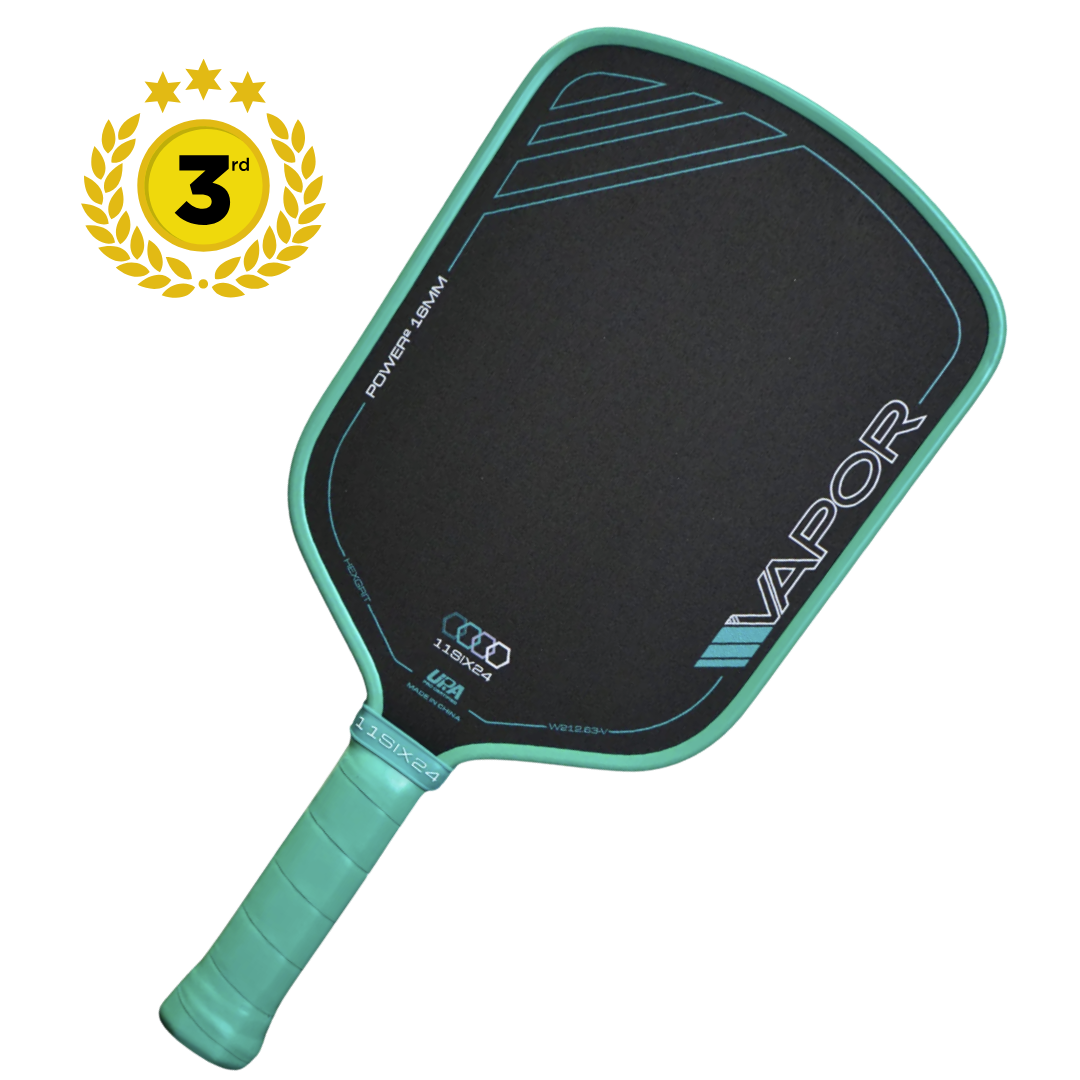
The highest firepower score of any hybrid in our choices at 83rd percentile. For players who play aggressively and want comfort without giving up offensive output, this is the pick.
SW: 25th | TW: 73rd | FP: 83rd | Gen 4 | Power | $210
Use promo code PBEFFECT to save.
Want to compare these paddles side by side?
This is where our numbers get honest. Elongated paddles score lower across every comfort metric because the shape inherently produces higher swing weights and lower twist weights. If you play elongated and have no discomfort, there’s no reason to change anything. But if comfort is becoming a concern, this isn’t the ideal shape though there are some you could use.
These are the best options in the elongated category… but they’re a stretch when comparing to the widebody category.
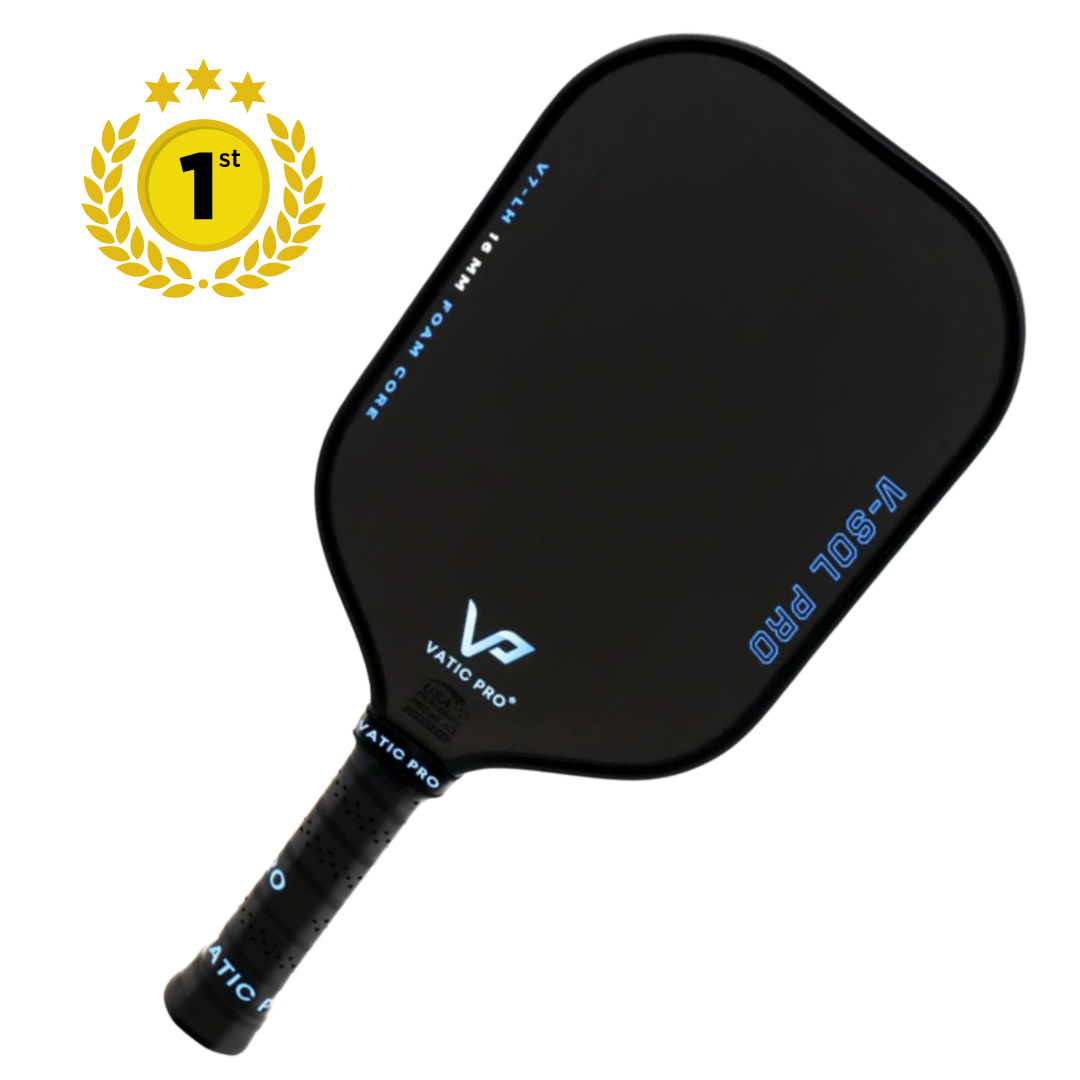
The 94th percentile firepower is the highest of any paddle in our entire list today. You won’t be compensating offensively. The budget elongated pick, and for players prioritizing firepower balance over pure comfort metrics, it makes a strong case.
SW: 47th | TW: 57th | FP: 94th | Gen 4 | Power | $110
Use promo code PBEFFECT to save.
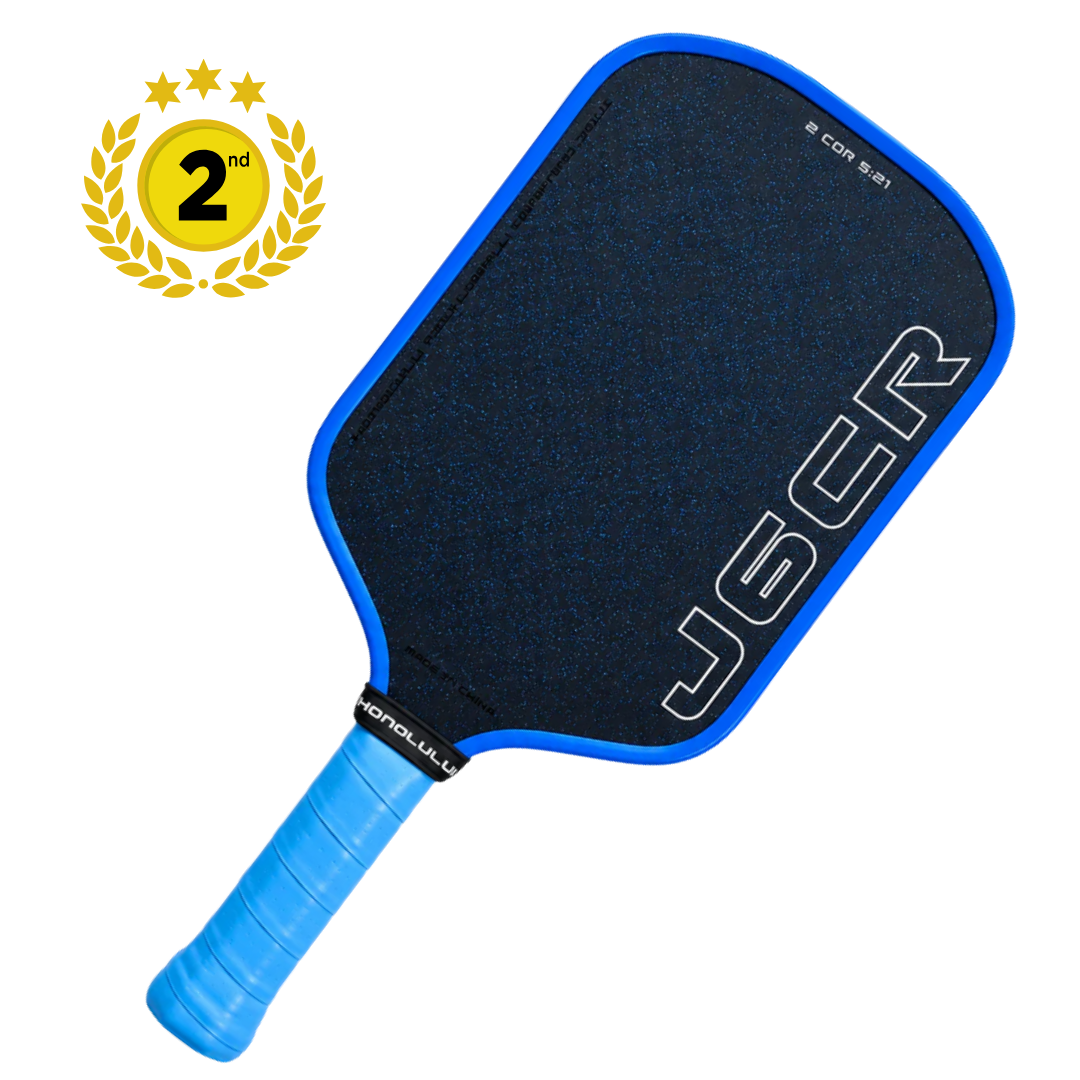
A 31st percentile swing weight is solid for an elongated, but the 38th percentile twist weight is the lowest on this list. Players who mishit toward the edges will notice it more than those who consistently find center contact.
SW: 31st | TW: 38th | FP: 79th | Gen 4 | Power | $195
Use promo code PBEFFECT to save.
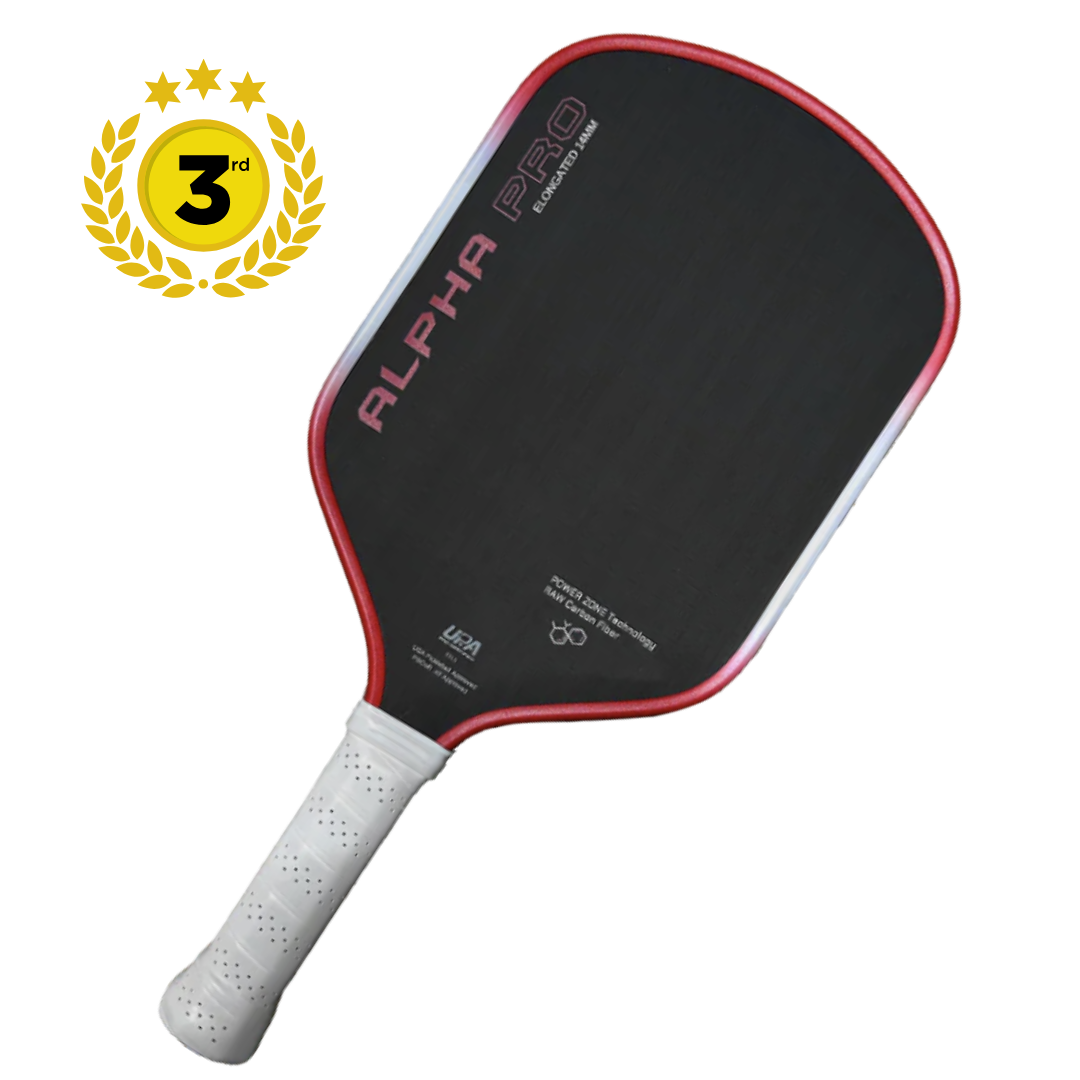
The weakest comfort profile we recommend. It’s here because it’s the best available Gen 3 elongated in the database — not because it competes with the options above it. If you’re specifically looking for a Gen 3 elongated and budget is not a factor, this is the choice. Otherwise, look up the list at the Gen 4 recommendations.
SW: 38th | TW: 37th | FP: 57th | Gen 3 | All-Court | $260
Use promo code PBEFFECT to save.
Want to compare these paddles side by side?
A few patterns come up when you look across the full list.
Low swing weight matters more than low static weight. The number on the scale isn’t the only number that matters. The top paddles in our scoring aren’t necessarily the lightest, they’re simply the easiest to keep swinging over the course of a long session. Most paddle marketing never makes that distinction.
Twist weight is the most underappreciated metric here. The more paddles we scored, the more consistently twist weight showed up near the top. A paddle that torques on mishits trains your grip to tighten. That tension adds up across a session in ways that a well-matched static weight never will.
Widebody shape has a structural advantage. We expected widebody paddles to score well. The data shows how consistently they separate themselves. The shape naturally produces lower swing weights, higher twist weights, and larger sweet spots. If comfort is the primary consideration, shape may matter more than anything.
Gen 3 and Gen 4 construction changes how impact feels. Not better or worse for performance, just less vibrations transferred to your arm after repeated contact. That difference matters more over two hours than it does on the first point.
Firepower has a floor, not just a ceiling. A paddle that can’t do its job offensively makes you do extra work. The 45th percentile minimum isn’t about recommending powerful paddles. It’s about making sure you’re not overcompensating with muscle and bigger swings.
We’ve all been used to evaluating paddles the same way. Power. Spin. Control. Those are the metrics the industry built its language around, and for many, they really are the only numbers that matter for their game. But, they don’t tell the whole story for every player who’s on the court multiple days a week and wants to maintain that.
The PE Comfort Index doesn’t tell you which paddle to buy, it just gives you another way to evaluate one. For some players, this may end up being just as important as power, spin, or control.
Paddle choice is one variable among many. Technique, grip pressure, playing volume, conditioning, and recovery all play a role that no equipment change can replace. What the right paddle can do is reduce unnecessary strain over time, particularly for players logging multiple sessions per week.
It comes down to physics. The widebody shape naturally produces lower swing weights, higher twist weights, and larger sweet spots, all of which contribute to a more forgiving playing experience. Elongated paddles trade that comfort profile for reach and a higher ceiling on certain shots. Our framework doesn’t penalize elongated paddles for being elongated, it just the reality of their testing numbers.
The framework itself won’t change unless new paddle technology comes out that is proven to affect this — the five criteria and scoring methodology are currently designed to be evergreen. The paddle recommendations will be updated periodically as new paddles enter our testing database and clear the framework criteria.
Based on our testing data, the five characteristics most associated with a comfortable playing experience are swing weight (lower is better), twist weight (higher is better), build generation (Gen 3 or Gen 4), firepower percentile (45th or above), and grip size (properly fitted to your hand). Paddles that score well across all five consistently rise to the top of the PE Comfort Index regardless of brand or price point.
There’s no single answer that fits every player, but the data points consistently toward widebody paddles with low swing weight and high twist weight as the most comfort-friendly options. The Six Zero Coral Widebody, Volair Shift WB 14, and Vatic Pro V-Sol Pro Bloom are among the highest-scoring paddles in the PE Comfort Index and represent a strong starting point for players managing elbow soreness.
Author Profile
Matt started playing pickleball in 2023 and quickly fell in love with the strategy, patterns, and problem-solving parts of the sport. He enjoys following the latest in paddle technology, performance trends, and the pro game. As a type 1 diabetic athlete, he’s especially passionate about the intersection of health and competition, sharing his experiences managing diabetes while competing, training, and navigating everyday life through sports.
Click button to activate sitewide discount.
Affiliate disclosure: If you click the links on the page or use our discount codes, we may earn a small commission at no extra cost to you that supports our testing and reviews.