
So you just started playing pickleball and you’ve caught the bug. I know the feeling, I can’t get enough either. You’ve played a few times, gotten a feel for it, and now you are ready to start learning some doubles pickleball strategy to take your game to the next level. You’re in the right place.
Since you’re reading this article about doubles pickleball strategy 101, chances are you have already developed a few shots like your serve, driving the ball, and putting away pop-ups. I’ll show you how to integrate the shots you already have with some basic strategies that will improve your game overnight.
Most beginners and even many intermediate players are not held back by the lack of shot-making skills they have, but rather their failure to follow basic doubles pickleball strategy. This article will introduce you to concepts and strategies to help you play smarter and win more games without any significant work on your shot-making ability.
Keep in mind that the strategies I present here are the basic or foundational principles of pickleball. As you continue to improve and understand the game, your strategy will shift and adjust depending on your strengths, your partner, and who you are playing. But, the principles in this article will largely stay the same no matter what. These are the 101 strategies that you build off of as you get better.
First, we’ll talk about strategies for the serving team. The first two rules we are going to base our strategy around are 1) getting to the net and 2) playing high percentage shots.
Looking for the right paddle to fit your game? Take our paddle fitting quiz for three recommendations that will match your style of play.

Let’s look at the typical set up at the start of a doubles pickleball rally.
The team serving the ball starts each rally with both players back because they have to let the return of serve bounce before they can engage with the ball. This gives the defending team the chance to take control of the net immediately, giving themselves the advantage.
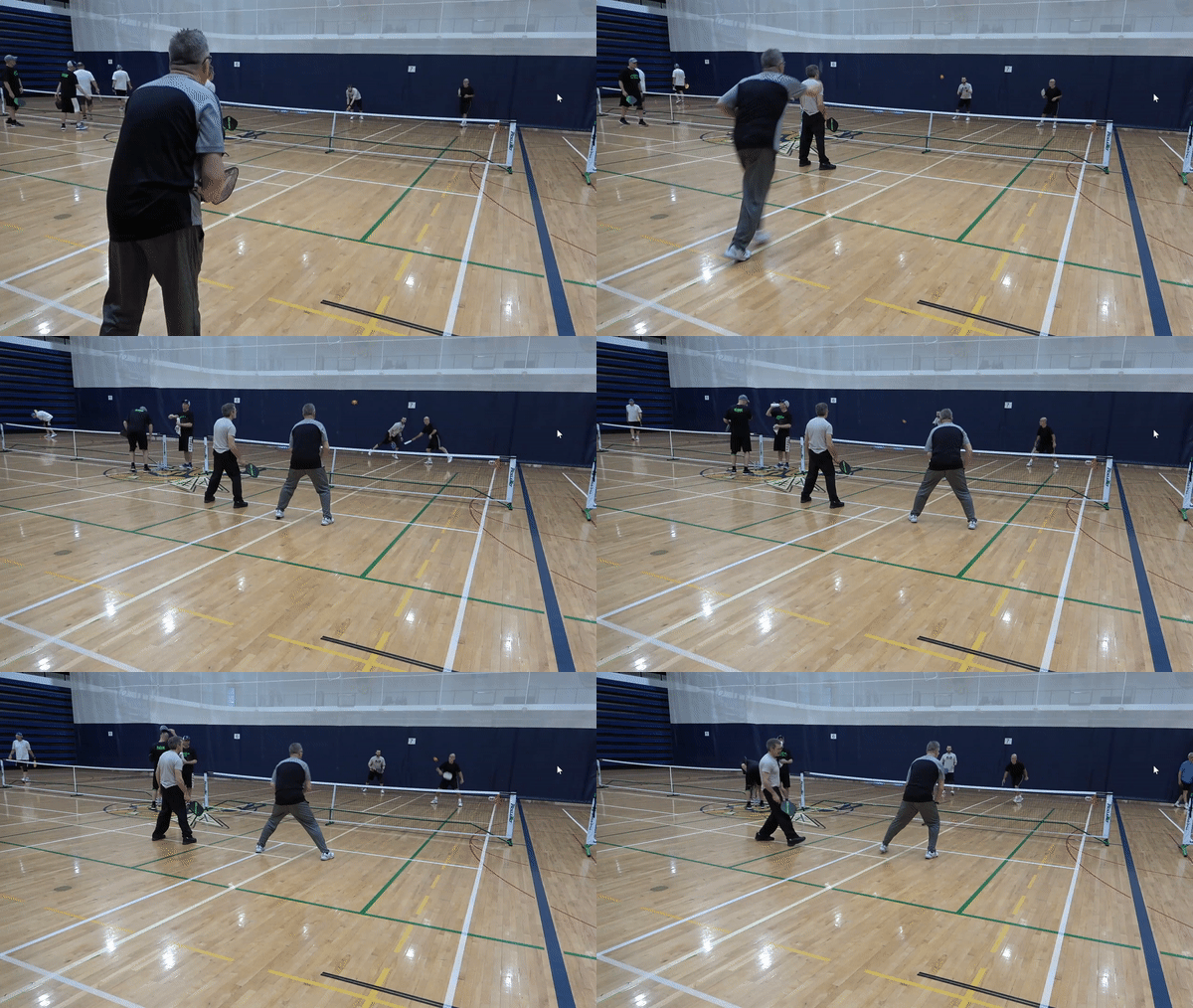
Why does the team at the net have an advantage? Watch this rally.
EddieAndWebby, 2020, https://www.youtube.com/watch?v=JaGUAGVeJVQ
This is a rally sequence that you’ll see repeated a lot in matches with beginner players. The team serving the ball hits the third shot of the game nice and high for their opponents at the net to hit it hard right back at them, preventing them from advancing to the net. The serving team is now in a really difficult situation. It’s tough to win a rally when your opponents are smashing the ball at you over and over.
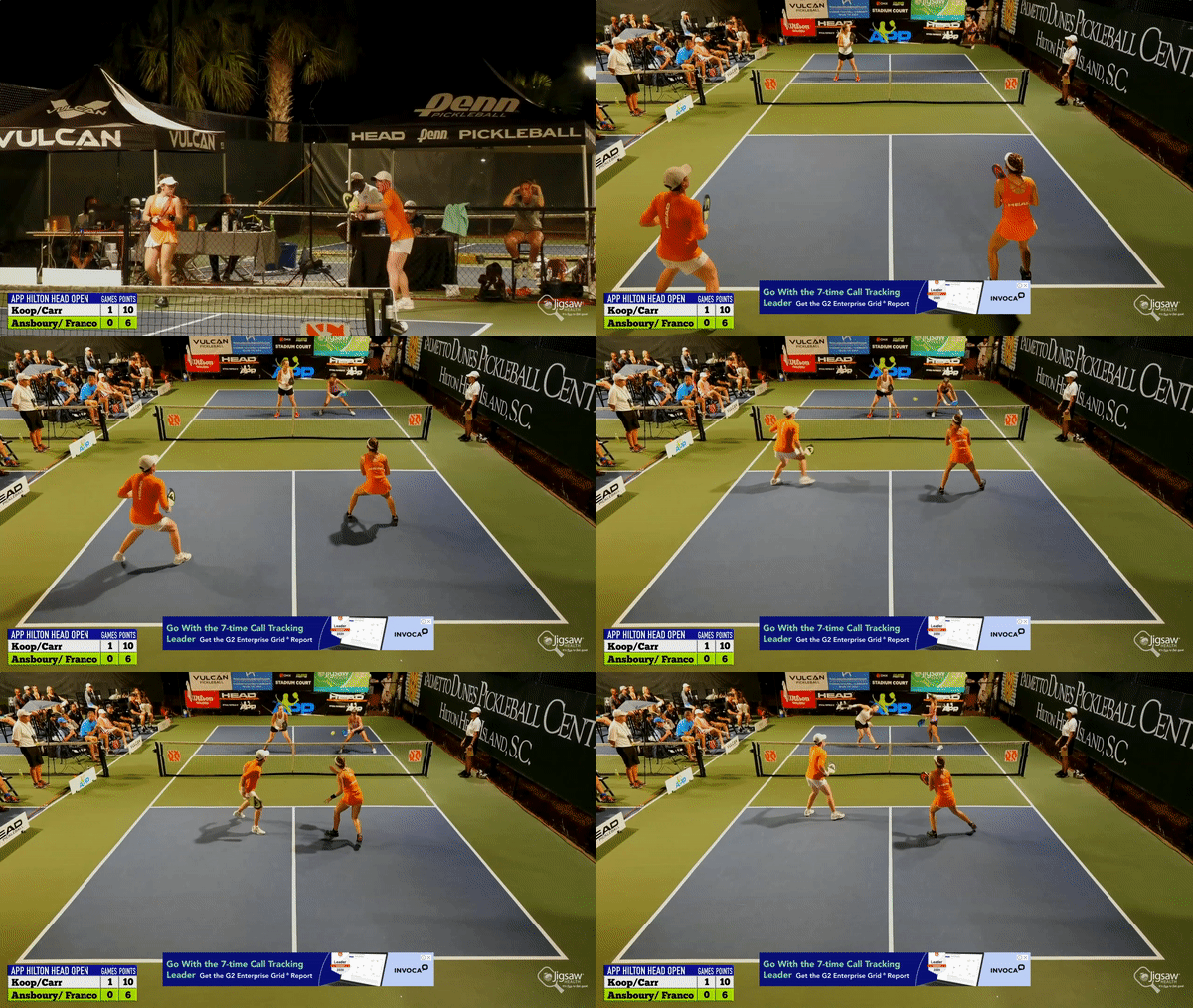
Now let’s look at a different rally where the serving team successfully advances to the net after the third shot.
The APP Tour, 2020, https://www.youtube.com/watch?v=tewClcEptpc.
Once the serving team got to the net, they equalized control of the court and gave themselves a chance to score, which they did.
Here are some stats to help further convince you of the importance of getting to the net.
Situation | 5.0 Players | 4.0 Players |
|---|---|---|
% of time able to get fully forward after the third shot only | 54% | 38% |
% of time able to get fully forward after the third shot or with one additional shot | 80% | 68% |
Stats are from pickleball analyst, Joe Baker. https://www.youtube.com/watch?v=x5ceh-7DI1Y
Players at higher levels understand the strategy of getting to the net and do it as soon as they create a chance. You need to be doing the same thing.
Looking at the two rallies I showed you earlier. Why was one team able to get to the net while the other couldn’t? It was the strategy behind the third shot. The third shot in the first example was a pop up that was easy for the players at the net to swing down on and keep their opponents back. The third shot in the second example landed softly in The Kitchen and was hard for the players at the net to attack, giving the serving team a chance to move to the net and equalize control of the court.
Pickleball is unique from tennis because of what is called the Non-Volley Zone or The Kitchen. You cannot step into the Non-Volley Zone to hit a ball unless the ball bounces in it first. This unique rule to the game is what makes it possible for the serving team to advance to the net. If the serving team can hit a soft third shot that lands in The Kitchen, then their opponents have to wait until it bounces, preventing them from hitting it fast right back at you and instead play it softer. Thus, giving you a chance to advance to the net.
This is what’s called a Third Shot Drop.
The third shot drop is the shot taken after the return of serve that is meant to land softly in the opponent’s Kitchen. The shot is used to prevent your opponents from attacking and giving your team time to advance to the net and neutralize control of the court.
This is the most common strategy used to help your team get to the net.
Here’s an example of what The Third Shot Drop looks like in a game.
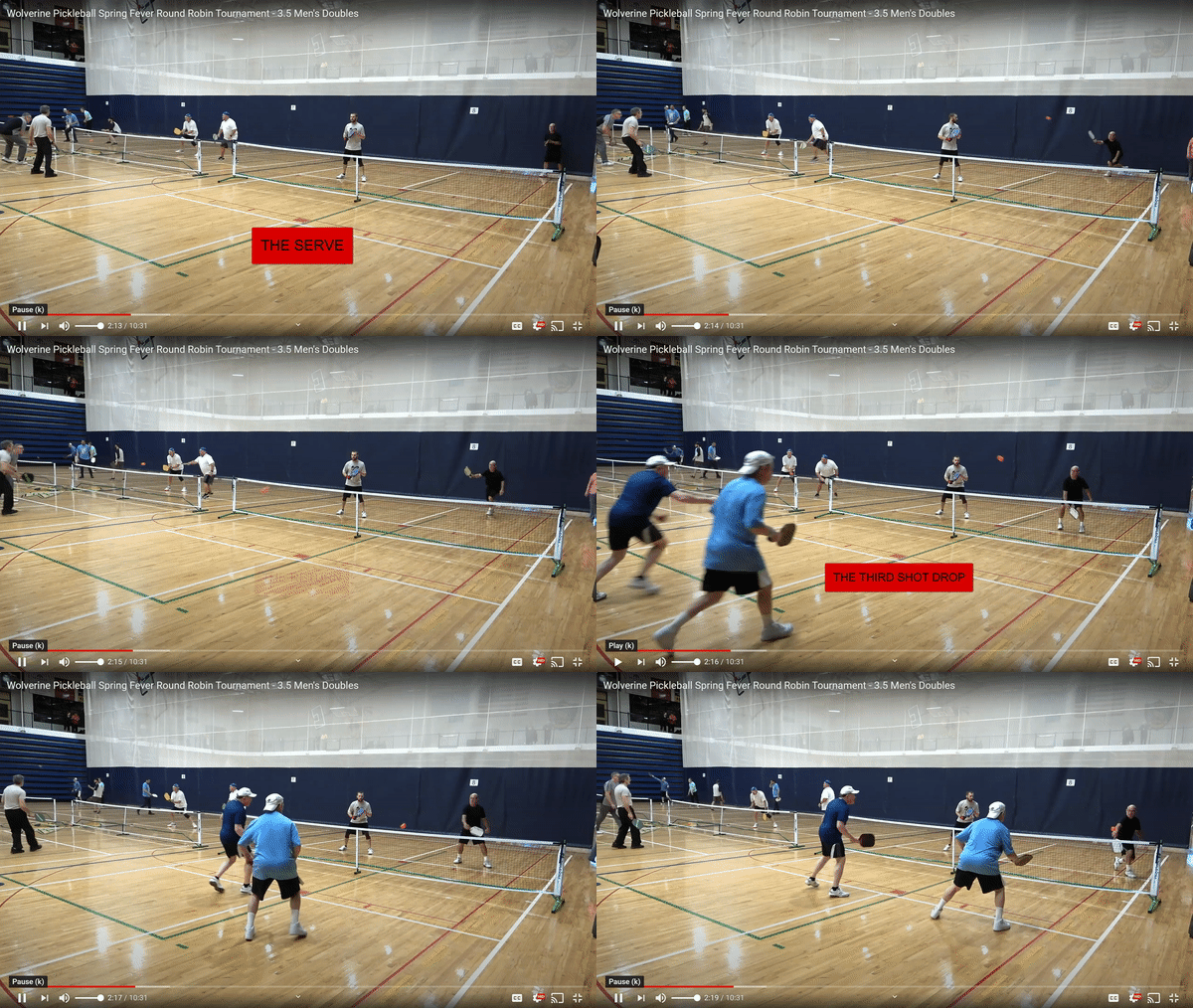
EddieAndWebby, 2020, https://www.youtube.com/watch?v=JaGUAGVeJVQ
This shot can be hard to make because it requires high accuracy and a soft touch. However, your Third Shot Drop doesn’t have to be perfect to work. The more you use it and practice, the better you’ll get.
The Third Shot Drop is not the only way to get to the net, though. You can also drive your third shot to set up an easier drop shot. If your opponent’s return of serve is short and high, you can drive the ball to potentially win a quick point or set up an easier drop shot to help your team advance to the net.
Here’s an example of a Third Shot Drive that resulted in an easier drop shot.
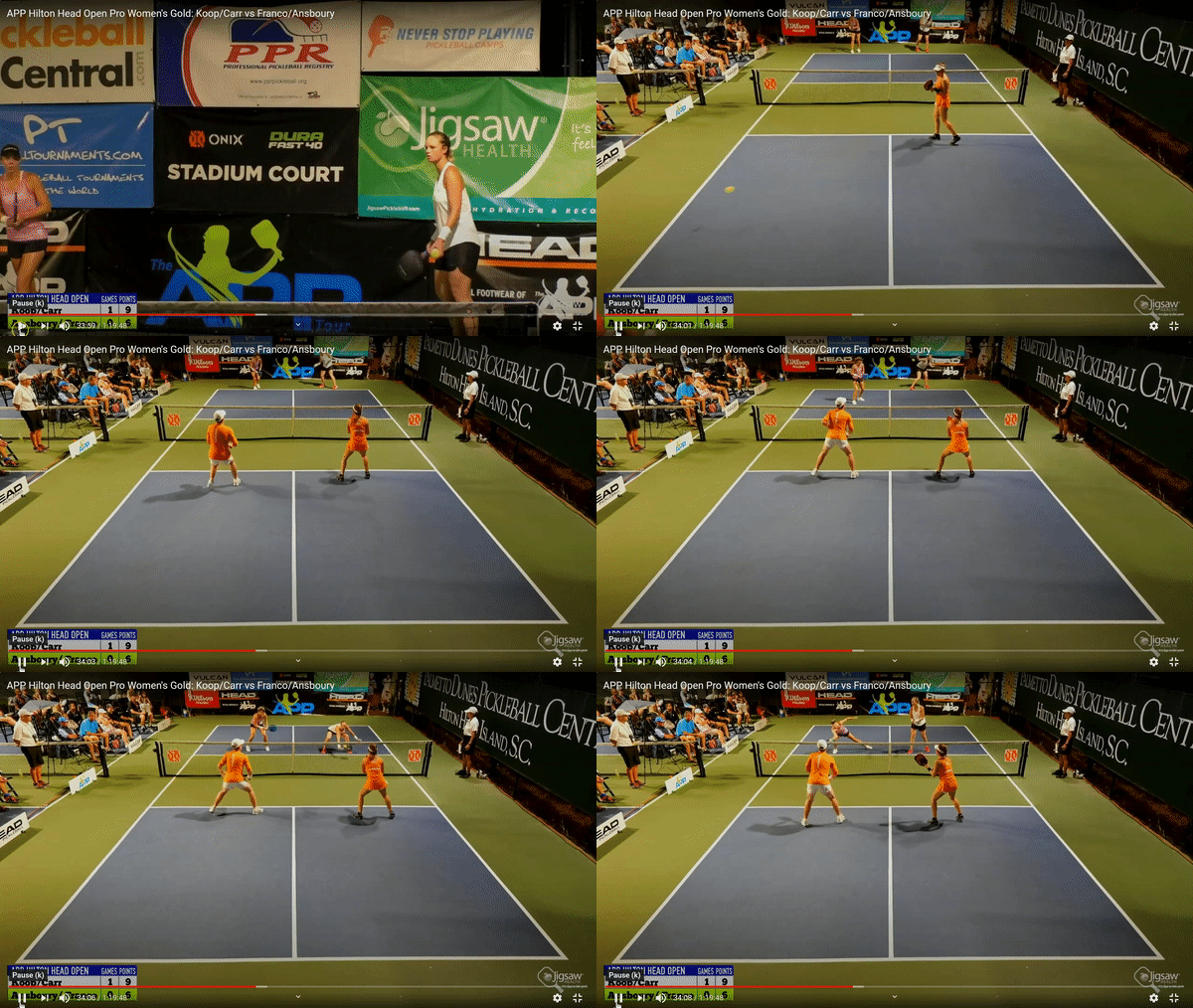
The APP Tour, 2020, https://www.youtube.com/watch?v=tewClcEptpc.
For more thoughts around the strategy of when to drop and when to drive your third shot, read my Doubles Pickleball Third Shot Strategy: When to Drive and When to Drop article.
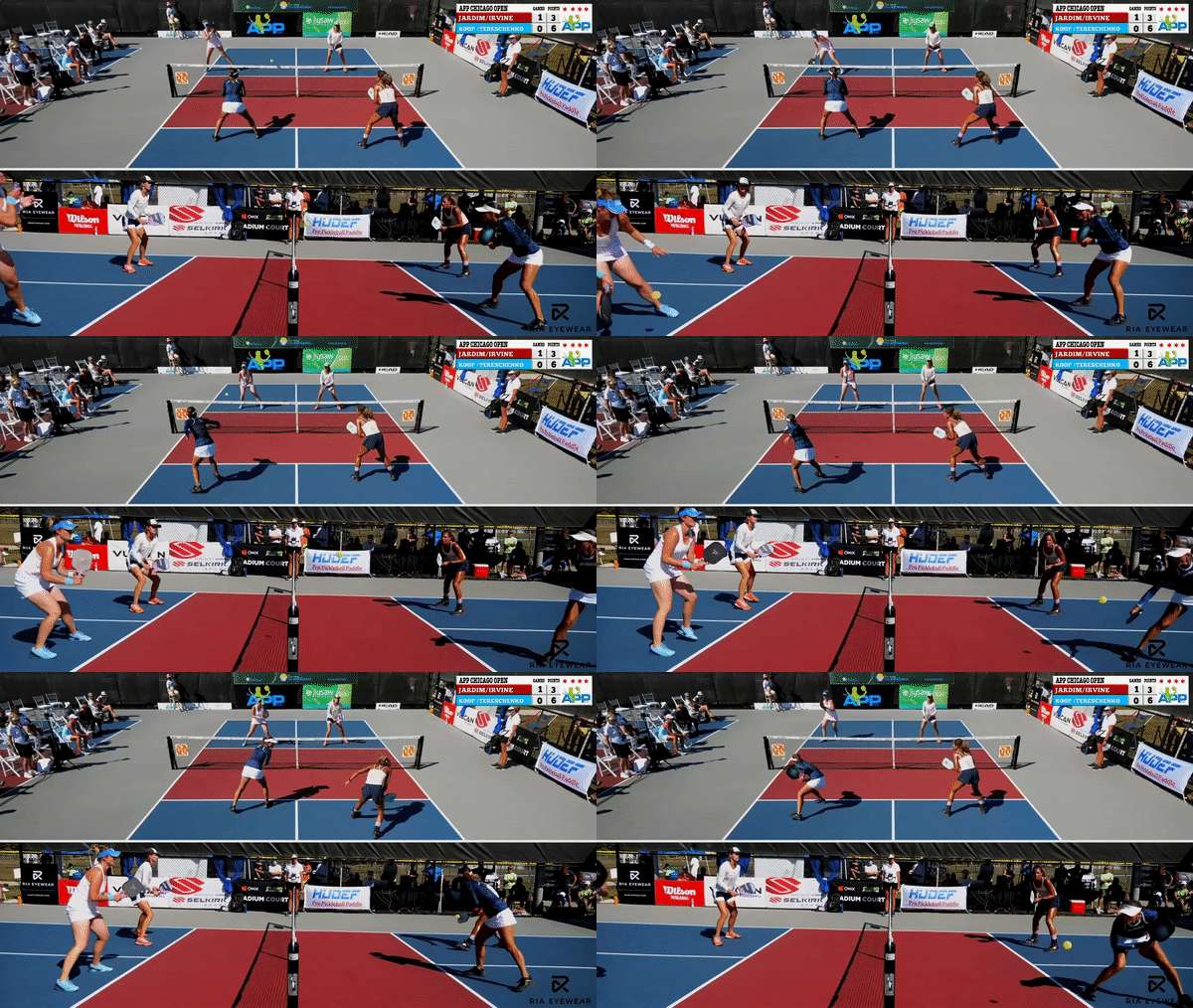
The APP Tour, 2020, https://www.youtube.com/watch?v=rE18fKxIfrc
After your team advances to the net, the dinking game starts.
What is dinking? Dinking is when both teams are standing at the Non-Volley Zone line and are hitting soft shots over the net that land in the Kitchen. The purpose of these shots is to prevent the other team from attacking the ball and trying to set your team up for an attack.
Here’s what a dinking exchange looks like.
Dinking is a good place to be for the attacking team. The strategy here is to hit unattackable dinks and be patient for an opportunity to attack. It’s okay to hit several dinks in a row before you attack. If your opponents attack an unattackable ball then they will either hit it in the net or pop it up for you to smash it.
To learn advanced dinking strategy, check out my Advanced Doubles Pickleball Dinking Strategy article.
High Percentage Shots | Low Percentage Shots |
|---|---|
Cross-court dinks | Dinking straight across |
Third shot drops | Driving it from the baseline |
Drives down the middle | Drives down the sideline |
Lobs at the net | Lobs from the baseline |
Attacking pop-ups | Attacking dinks below the net |
Strategy #1: Immediately Advance to the Net After Returning the Serve
If you are returning the serve, then your partner is already standing at the net. As soon as you hit the return of serve you should quickly move up to the net and get ready for the next shot. As shown below.
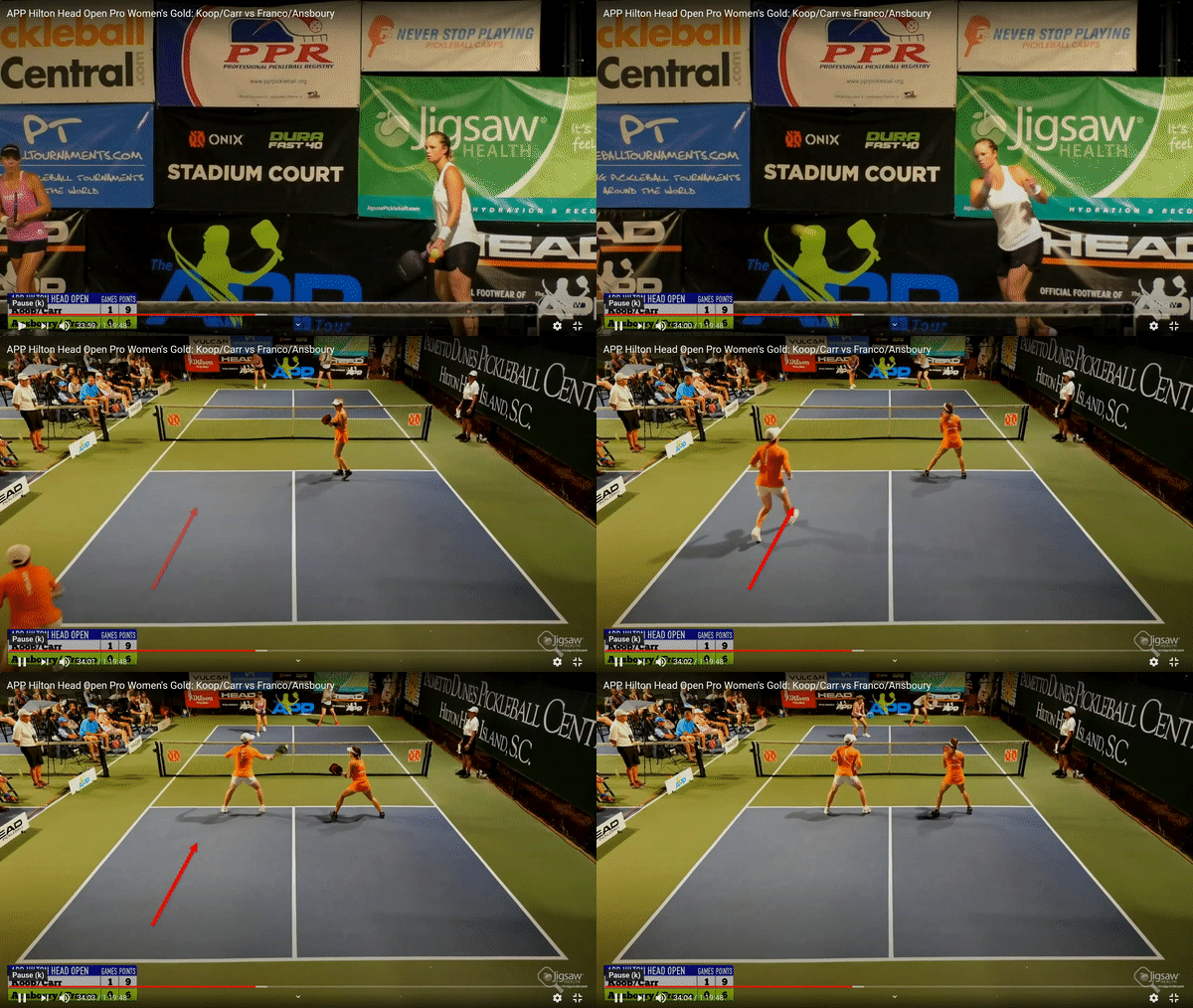
Strategy #2: Keep Opponents from Advancing to the Net
Keeping your opponents from getting to the net starts with a good return of serve. A good return of serve is hit deep in the court. This does a couple of things for you.
1) It forces your opponent to take his shot from behind the baseline, which makes their Third Shot Drop more challenging. Setting yourself up to smash a bad Third Shot Drop attempt.
2) If they do hit a good drop shot from behind the baseline, they don’t always have enough time to get to the net before you hit your ball, which means you can hit it at their heels in the midcourt.
Here’s an example of a good return of serve that was hit deep. The Third Shot Drop was hit well, but because he took the shot from behind the baseline he wasn’t able to advance all the way to the net. The defending team kept him back there and forced him to hit a tough shot.
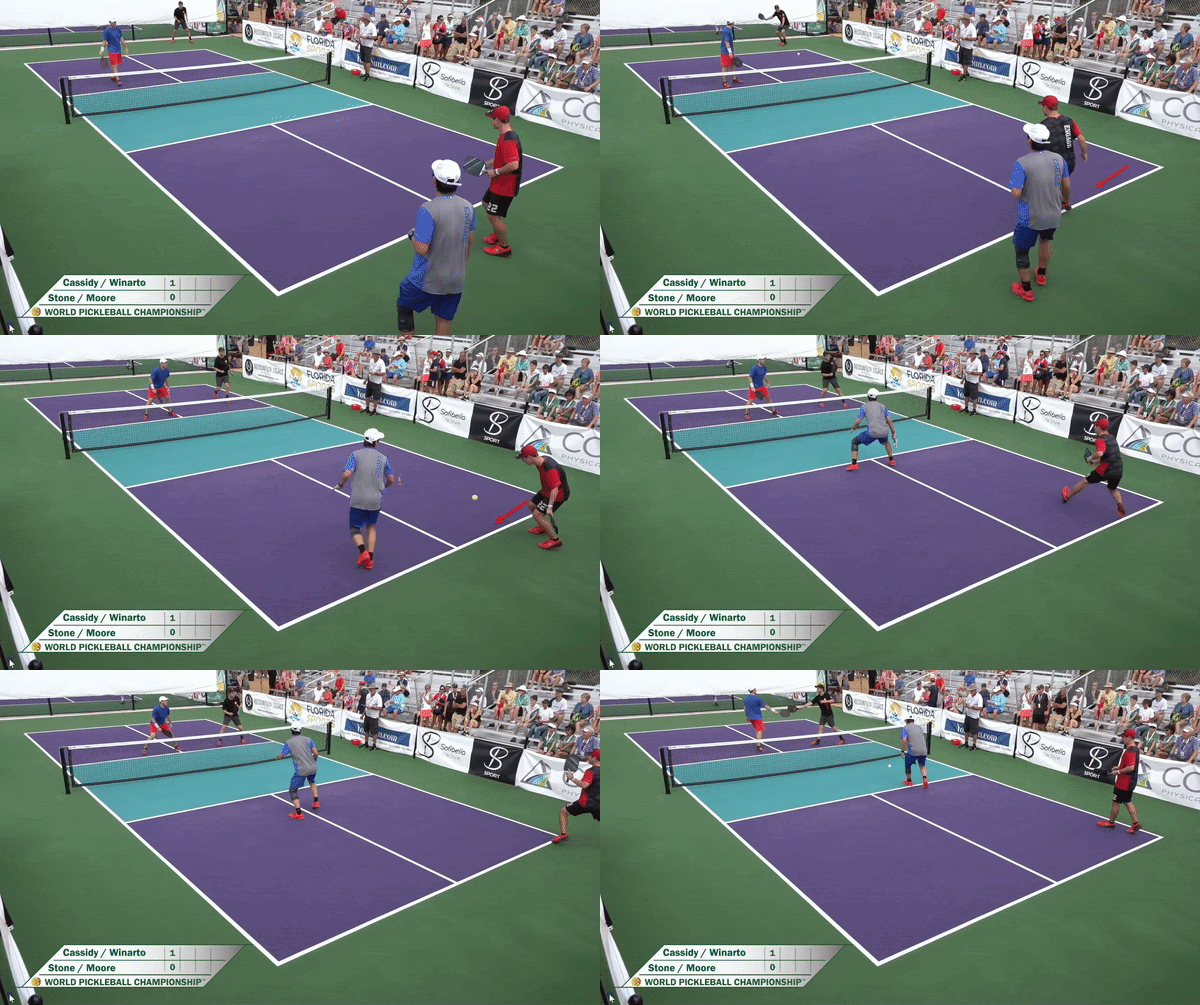
Pickleball Global, 2020, https://www.youtube.com/watch?v=dFYyij4ykTI.
Strategy #3: Hit the Ball to Your Opponents Heels
Hit the ball to your opponents heels when they are not standing at the Non-Volley Zone line. If your opponents are ever caught in the middle of the court, the hardest shot for them to hit is a low volley. 9/10 times your opponent will hit that shot into the net or pop it up for you if you hit it there again.
Looking for the right paddle to fit your game? Take our paddle fitting quiz for three recommendations that will match your style of play.